miércoles, 22 de junio de 2016

Costa Rica family travel is fun at Hacienda Guachipelin

Looking for family summer vacation ideas? Costa Rica is the place to go this year! Not only is it one of the safest places to travel in 2016, it’s also perfect for family vacations. A notable stop on your Costa Rica family vacation for unforgettable adventure tours is Hotel Hacienda Guachipelin.

Adventure tour zip lining at Hacienda Guachipelin in Costa Rica
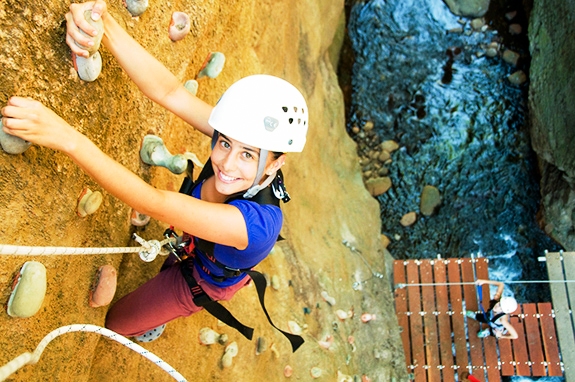
Adventure tour zip lining at Hacienda Guachipelin in Costa Rica
Costa Rica is always a great place for families to travel with kids. You have incredible wildlife, rainforests and cloud forests, adventure tours, and live volcanoes. The country is known for its friendly people and good service, along with its commitment to the environment and to peace.
Costa Rica also tops the list of safe places to travel in 2016. And who wouldn’t want to visit the happiest country on Earth?
Outdoor-loving families will find the travel experience enriching for all ages. What makes Costa Rica so great for families is that each day can bring a different adventure: sighting monkeys, sloths and iguanas in the jungle, thrilling zip lining, river rafting, swimming by waterfalls, and hiking near a volcano, to name a few.


In the northwestern province of GuanacasteHacienda Guachipelin is a beautiful, family-friendly property. Set on a traditional Costa Rican ranch by the Rincon de la Vieja Volcano National Park, the award-winning eco-hotel offers fascinating Costa Rica nature tours and fun adventure tours. There are plenty of activities to keep the whole family busy during the day and comfortable accommodations to spend the night. Besides being sustainable and as organic as possible, meals at Hacienda Guachipelin’s restaurant are delicious. A huge breakfast is provided in the room rate.

Family vacations at Hacienda Guachipelin in Costa Rica
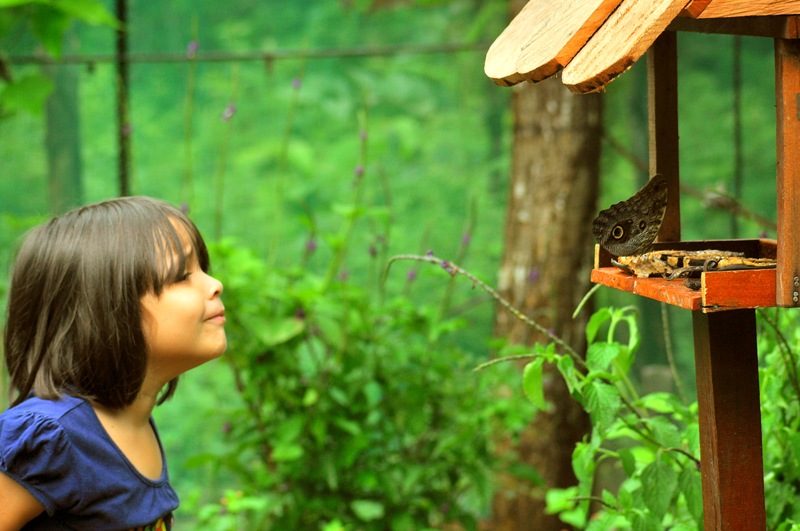
With Hacienda Guachipelin’s One Day Nature Pass, you can swim at waterfalls and natural volcanic hot springs, go hiking in the Rincon de la Vieja National Park, learn about ancient cultures on an archaeology tour, and see exotic wildlife in the ranch’s Butterfly Garden, Serpentarium & Frog Exhibit. The dry tropical forest covering the western side of Rincon de la Vieja Volcano in Guanacaste creates an interesting ecosystem for many different animals and plants than you would see elsewhere in Costa Rica.

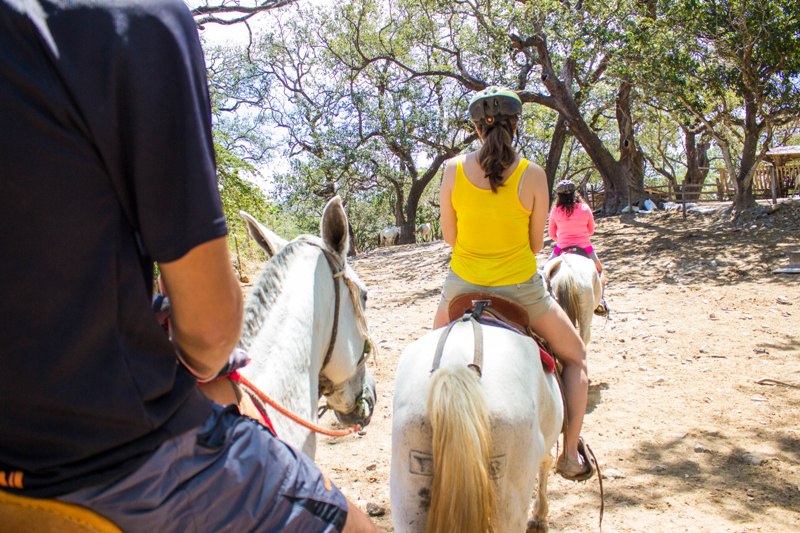
Horse riding tours at Hacienda Guachipelin in Costa Rica

Hacienda Guachipelin’s One Day Adventure Pass gives you the best combination of Costa Rica adventure tours: zip lininghorseback ridingriver tubing, and natural volcanic hot springs.
You don’t have to be a hotel guest to enjoy Hacienda Guachipelin’s Adventure Center, open every day from 8:00 a.m. to 5:00 p.m. Many day visitors staying in other Guanacaste locations come to the popular eco-adventure hotel for tours.

Hot springs at Hotel Hacienda Guachipelin in Costa Rica
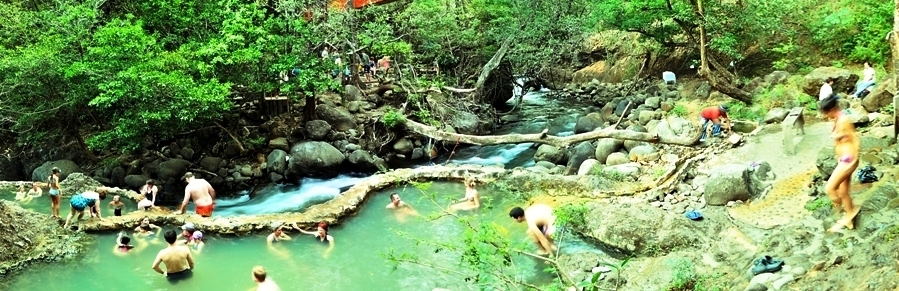

Guanacaste, Costa Rica is easy to get to. Flights from North America and Europe arrive directly to Guanacaste’s Liberia International Airport. Hacienda Guachipelin is less than an hour from the airport.
Article by Shannon Farley

Costa Rica’s Veragua Rainforest attracts scientific research groups

Abundant scientific research opportunities at Veragua Rainforest in Costa Rica have captured the attention of international university groups, who come to study the country’s wondrous biodiversity. 

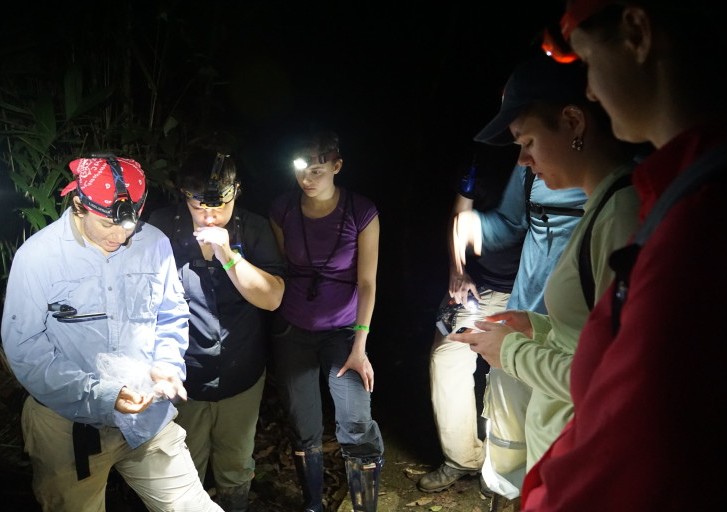
Harvard University group in Costa Rica Harvard University group in Costa Rica

 Tramping around a damp rainforest in the dark with big rubber boots and headlamps is not the usual picture of a university spring break vacation. But for a group of first year Ph.D. students studying herpetology at Harvard University, it was perfect. In April 2016, on the students’ spring break, they visited Costa Rica with Harvard University professor Jonathan Losos

– Professor of Organismic and Evolutionary Biology, and the Curator in Herpetology at the Museum of Comparative Zoology
– who has led student research trips to Costa Rica since 2013. Excited to see some of Costa Rica’s rich biological diversity, the group spent their first days at Veragua Rainforest in the central

Caribbean mountains, where they went hunting for anoles. Anolis, or anoles, is a genus of lizards in the Americas that live mostly in trees and are distinguished by a throat fan that (in males) is typically brightly colored.

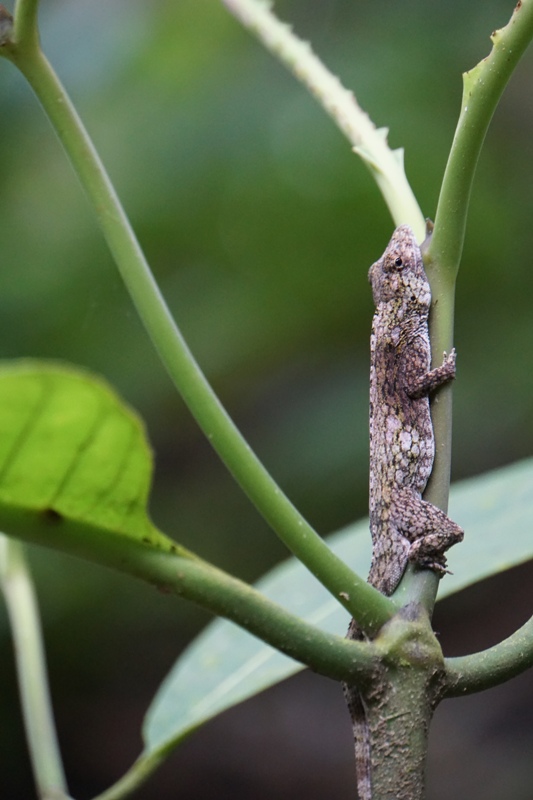
Anolis-pentaprion at Veragua Rainforest, photo by Harvard University

 “The trip started with a day and a half at Veragua Rainforest. We saw tons of frogs and a handful of snakes, but anoles were hard to come by except for a few individuals along shallow, slow-moving streams (A. humilis, A. limifrons, and A. oxylophus). One of our most exciting finds of the trip was along one of these streams

 – an A. pentaprion hugging a narrow stem at eye level. It was shocking to see this lizard so close to the ground as it is often found high in the canopy and has even been observed gliding between perches. While many mainland anoles don’t fall clearly into the classic ecomorph categories, this lizard, with its small legs, long body and head, and slow but sneaky evasive behavior, is very reminiscent of West Indian twig anoles,” wrote student Nick Herrmann in a blog for Anole Annals.

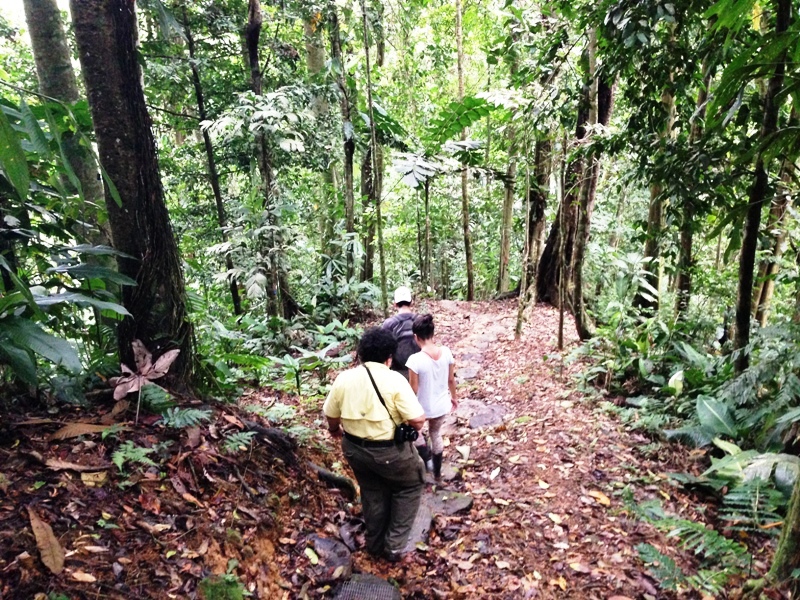
Veragua Rainforest in Costa Rica Veragua Rainforest in Costa Rica

 Veragua Rainforest Park is a relatively new study area in Costa Rica, compared to the research areas used for decades like La Selva Biological Station near Sarapiqui. Yet Veragua is becoming known as a hotspot of biodiversity in Latin America.

 The Veragua Foundation for Rainforest Research engages in ongoing scientific investigations within the 3,212-acre (1,300-hectare) private reserve of the Veragua Rainforest Eco-Adventure Park. Its location in the Talamanca Mountains by the La Amistad International Park

– both UNESCO World Heritage sites – has largely been unexplored. More than 11 new animal species have been discovered there by the Veragua scientific research team, and 15 endangered species have been recorded living in the area.

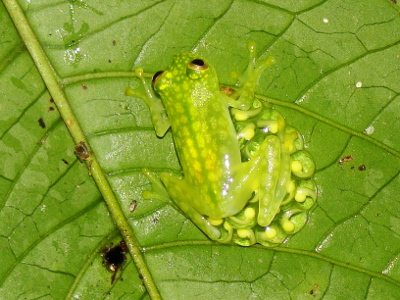
Talamanca Glass Frog discovered at Veragua Rainforest

Professional scientists, along with university and high school student groups, come to Veragua mainly to study frogs, reptiles, amphibians and plants. They stay at the Veragua research station, working in cooperation with resident biologists from the University of Costa Rica.
 Some notable mentions of university groups who have visited Veragua Rainforest include Harvard University, Colorado State University, Virginia Tech University and Northwest Michigan College from the USA; University of São Paulo in Brazil; University of Guadalajara in Mexico; and from Costa Rica, the University of Georgia Costa Rica program, EARTH University, Peace University and the University of Costa Rica. Article by Shannon Farley          
Birdwatching in Costa Rica – an Introduction

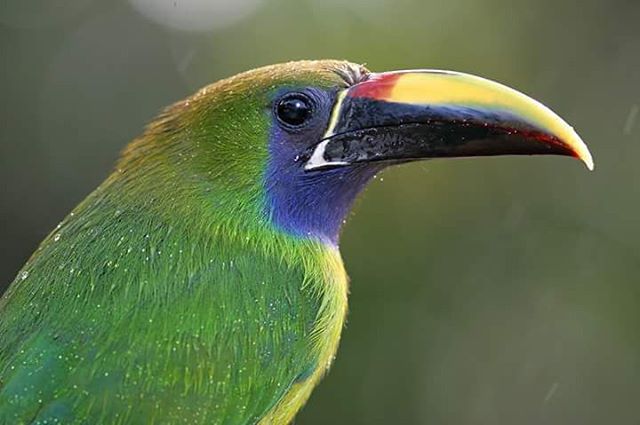
Emerald Toucanet
Emerald Toucanet

Birdwatching has become one of the most important tourist activities worldwide, with approximately nine million people registered as members of international organizations specialized in this niche, and many millions more enjoying this activity on a regular basis.  Costa Rica is a favorite place for birdwatchers due to its biodiversity, protected areas, its tourist infrastructure and the sheer concentration of bird species per square mile. 

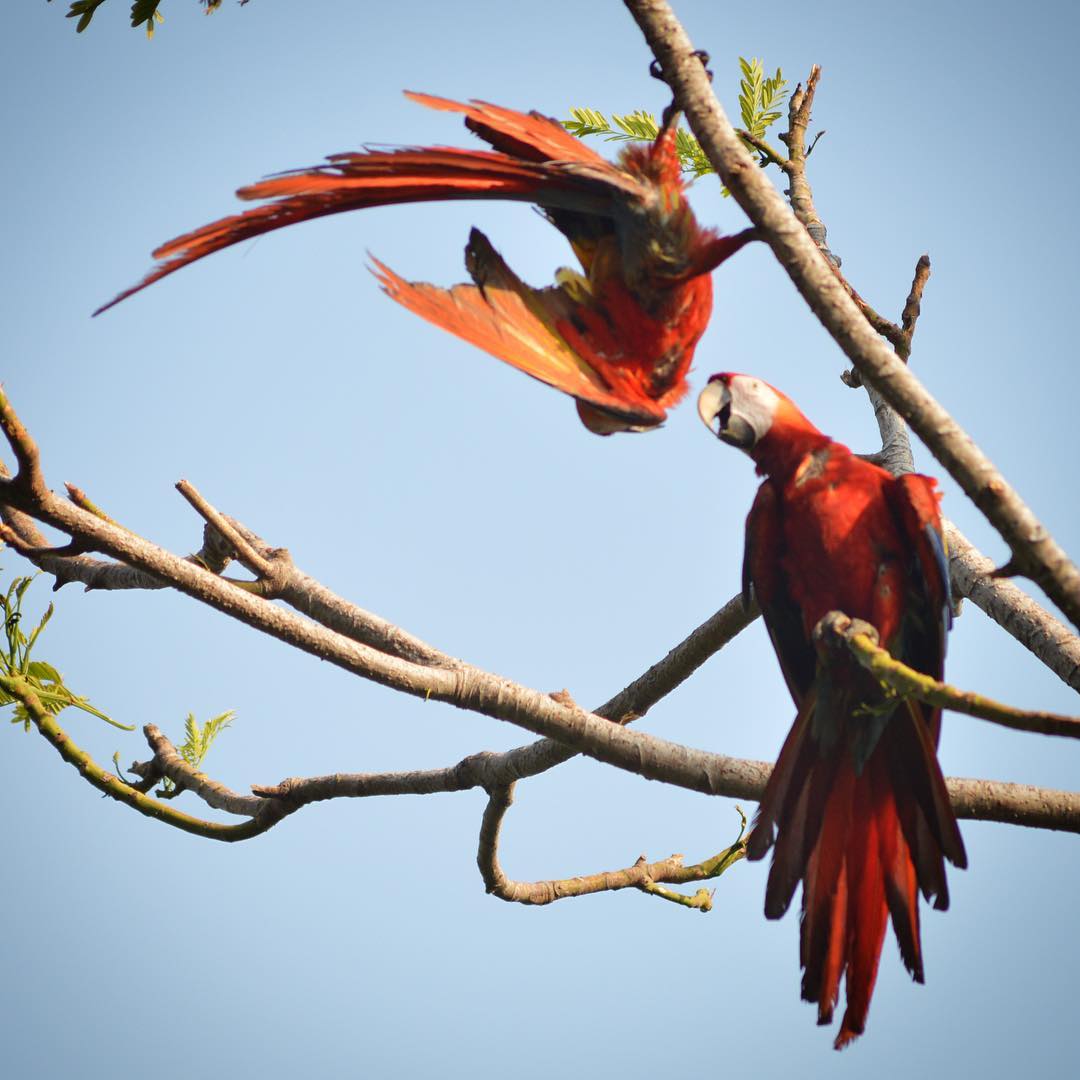
Scarlet Macaws
Scarlet Macaws

Costa Rica registers more than 900 bird species and has as many birdwatching hotspots as there are birdwatchers! The country is divided into areas called eco-zones or ecoregions, their characteristics and tips on where to stay at each one follows:
La Selva, Braulio Carrillo, Arenal and Tortuguero are some of the areas included in the Caribbean Lowlands. There are many lodging options in the Arenal Volcano area to choose from including Tabacon Grand Spa Thermal Resort as well as The Springs Resort and Spa.  Species you will have a chance of seeing in this area include WoodpeckersAntbirds and Wrens.  There are a variety of lodging options in the area of Tortuguero for you to choose from, depending on your budget and preferences, including the Evergreen LodgeManatus HotelLaguna LodgeMawamba Lodge and Pachira Lodge.  The list of birds to observe in this area is extensive and includes HeronsVulturesSandpipersPigeons and Parrots.

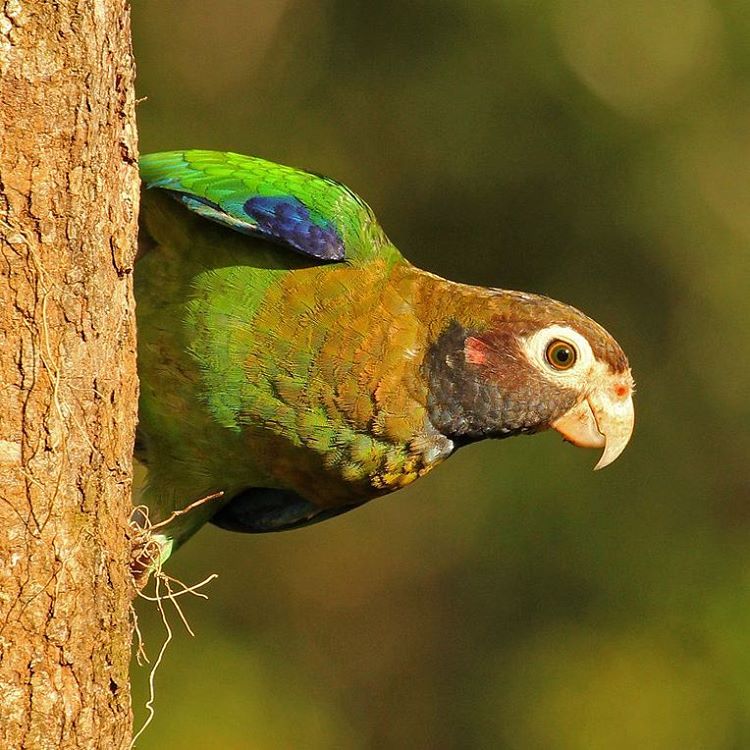
Brown Hooded Parrot
Brown Hooded Parrot

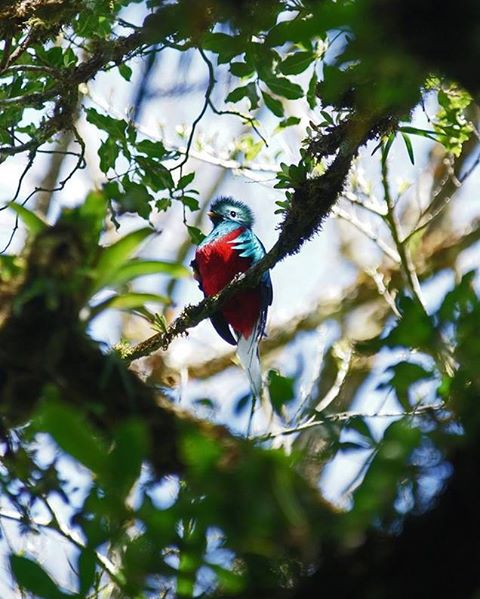
The Highlands include the Central Valley, Turrialba and the Cloud Forests of Savegre and Monteverde. The Peace Lodge located in the Poas Volcano area, has a private birdwatching tour as one of its activity options, which takes you through the trails of the Waterfall Gardens with a professional guide who can point out local fauna. Trogon Lodge is located in the Savegre Valley, and their activities feature a Quetzal Quest.

Quetzal in Monteverde Area

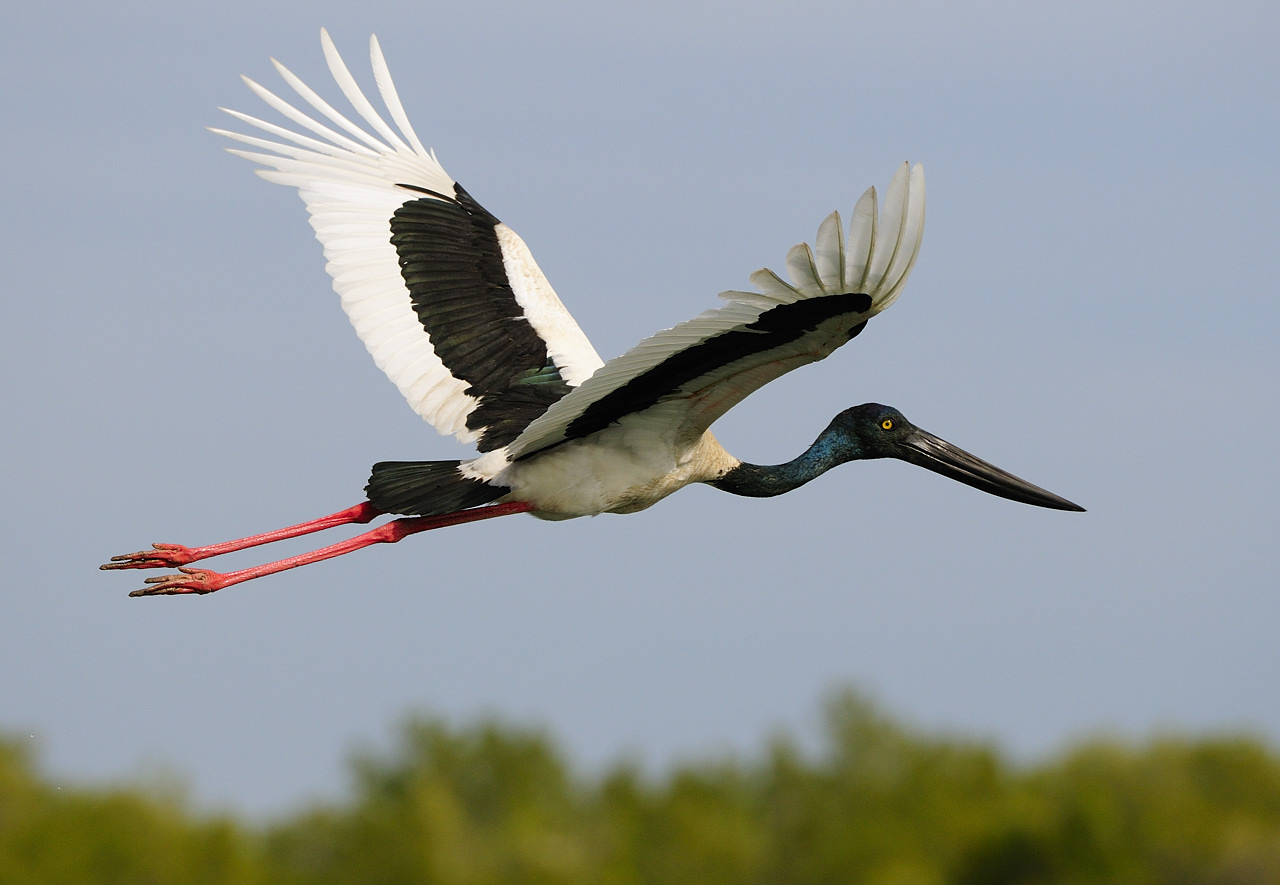
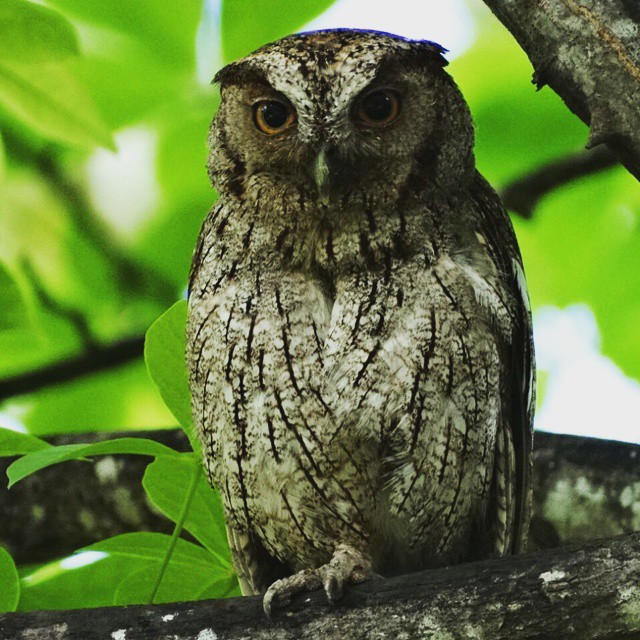
The Lowlands of the Northern Pacific Area include the province of Guanacaste and the Gulf of Nicoya. An excellent lodging option is Rancho Humo, a hacienda in a private reserve of 500,000 acres which boasts wetlands, mangroves and tropical rainforests.  The elusive Jabiru can be observed here, as well as HeronsStorksSpoonbillsGulls and Cormorants.  Hacienda Guachipelin, bordering the Rincon de la Vieja Volcano protected area, is a lodging option in this area as well and hosts yearly bird counts.  Some of species that may be viewed here include the Spectacled OwlLaughing Falcon and Emerald Toucanet.  Rio Perdido, close to Bagaces in Guanacaste, offers adventure off the beaten path and eco-friendly lodging in the area.

Jabiru in Flight
Jabiru in Flight

The Lowlands of the Southern Pacific Area include most of the province of Puntarenas and the Gulf of Dulce.  Varied lodging options include: La Cusinga Eco Lodge in Uvita, nestled inside a reserve from which you can tour Isla Ballena Bird Sanctuary.  At Casa Corcovado on Drake Bay you’ll have the opportunity to see Scarlet and Summer TanagersEastern Meadowlarks and many more species. Located in the Osa Peninsula, Playa Nicuesa Rainforest Lodge offers early morning birding tours into the primary and secondary rainforest, wetlands and coastal lagoon areas.

Owl at Hacienda Guachipelin

The Costa Rican Tourism Board launched the the “National Birding Route” this month, composed of twelve strategic observation spots that boast a large diversity of bird species.  They also coincide in most cases with Centers of Touristic Development that integrate local communities and reserves or national parks. Even though birdwatching organizations in the country in tandem with hoteliers had already identified these and more birdwatching hotspots, the attention of the Tourism Board shows that this is a niche that will be supported and developed in the future.

Article by Katie Widdowson

viernes, 17 de junio de 2016

Pranamar Villas Montezuma visit

Day trip adventure to visit Montezuma waterfalls during your stay at Pranamar Villas

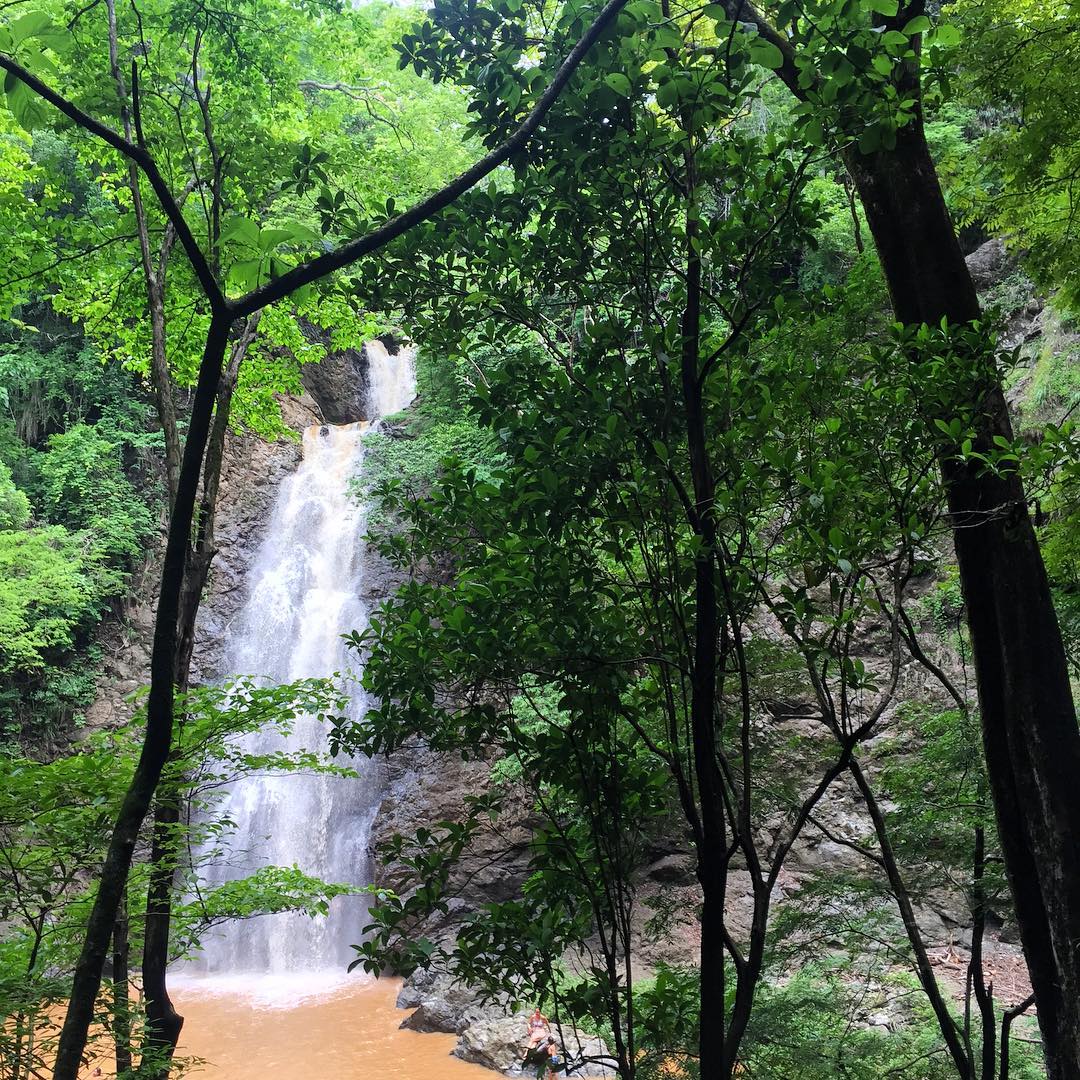
Side view of first waterfall on Montezuma river

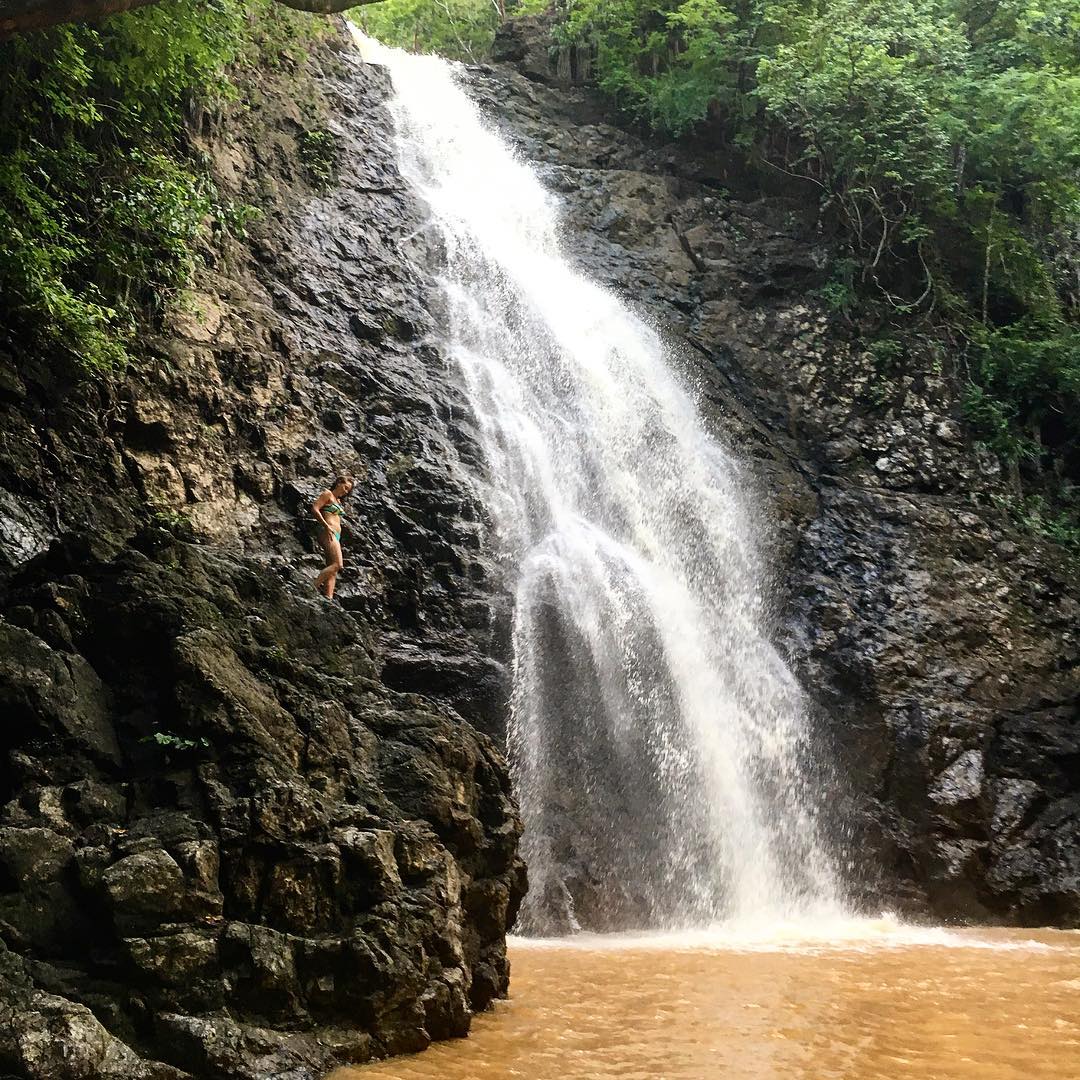
Montezuma town, a short drive from Pranamar Villas, offers visitors the opportunity to hike up a river ending in beautiful waterfalls and to bathe in fresh water while enjoying the surrounding forest.  Another option is El Chorro, an impressive jet of water falling directly on the beach. 
Costa Rica is a country blessed with an abundance of fresh water springs and rivers, and as this water meanders towards the ocean, it often falls over cliffs creating  pools to bathe in and scenery to admire.  Such is the case of the Montezuma Falls about a 40 minute drive from Pranamar Villas in Santa Teresa, perfect for a day trip.
Montezuma waterfall view from forest

There are three levels at the waterfalls, all accesible depending on your fitness level and adventurous streak. The 20 minute hike up the Montezuma river takes you to the first pool, and boasts tallest waterfall of almost 80 feet.  This is most popular stop on the trail, where you can swim, sunbathe and picnic the day away.
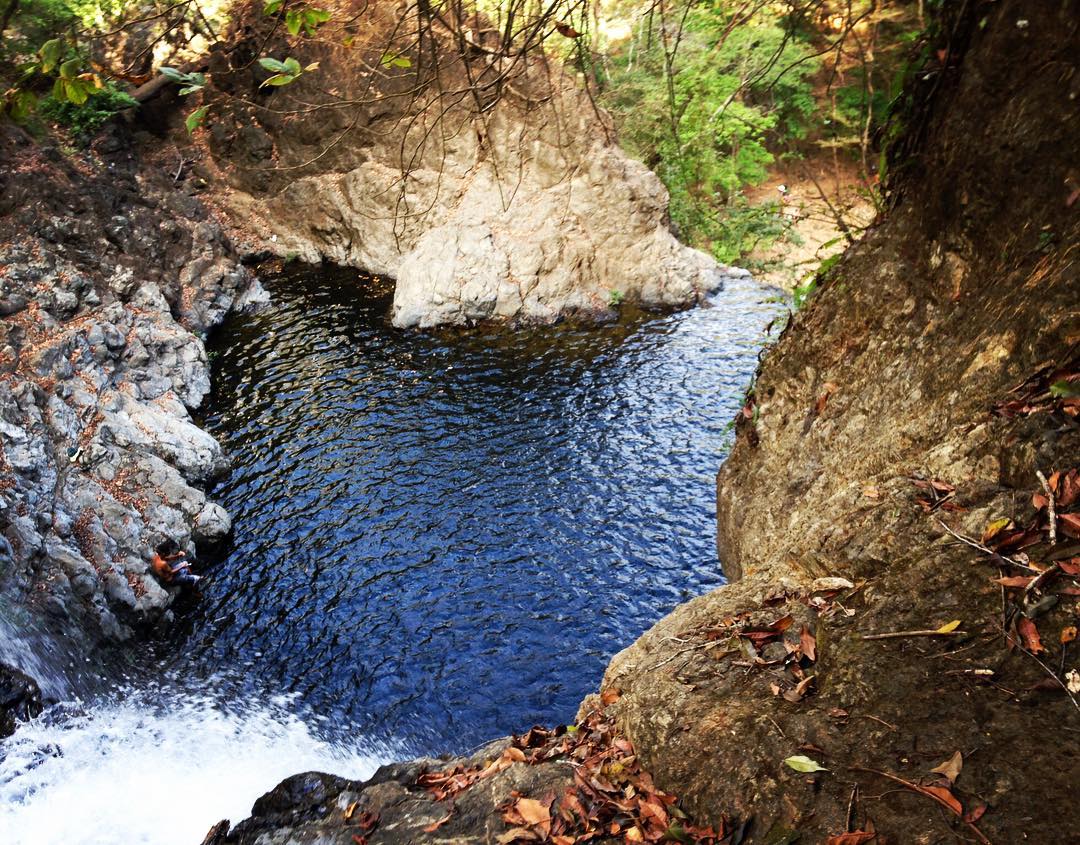
One of the upper pools at Montezuma waterfall

Want to keep going? Look for a trail on the side of the first waterfall to the upper pools.  A canopy has recently been set up in the area, and you can reach secondary pools by accessing trails and bridges built by tour operator for a $4 charge per person.
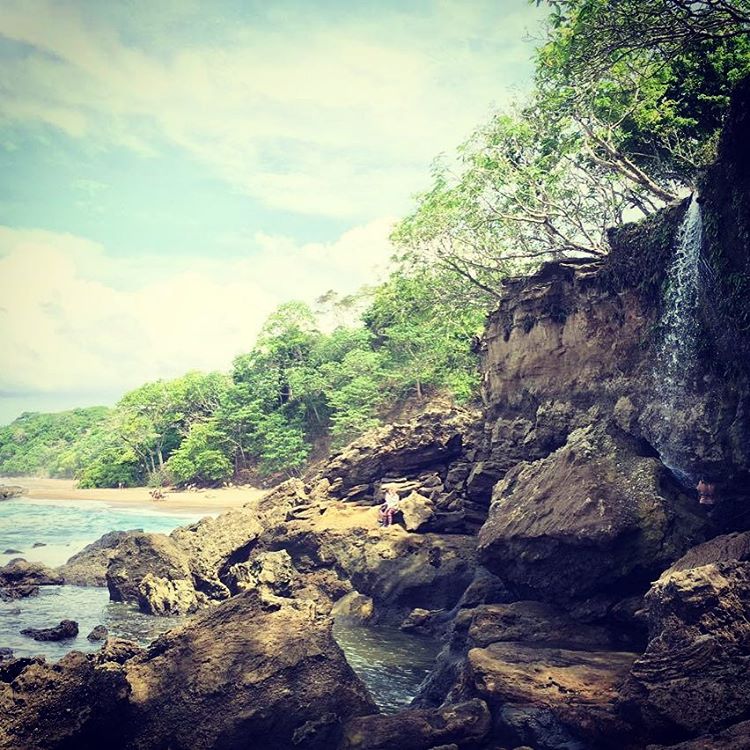
Another one of the waterfalls in Montezuma is known at El Chorro and surprises you after a two hour walk at the end of the secluded Cocolito Beach. If walking under the sun for hours isn’t your cup of tea, how about going there on horseback?
El Chorro Waterfall on Cocolito Beach in Montezuma
Consider these adventures and add them to your yoga retreat experience at Pranamar Villas Oceanfront Villas and Yoga Retreats, and remember, when in Costa Rica, DO go chasing waterfalls!
Tips:
  • Look for Amor de Mar Hotel, trail to Montezuma waterfall starts close to its entrance.
  • Wear rainproof hiking shoes or comfortable strong water sandals during walk for better protection and grip on slippery rocks.
  • Do not swim right below waterfalls as currents can drag you under and make it difficult to surface.
  • Wade into pools versus jumping in, water may be shallow in some places and rocks not visible.
Article by Katie Widdowson

Nicuesa Lodge welcomes whale watching in Costa Rica

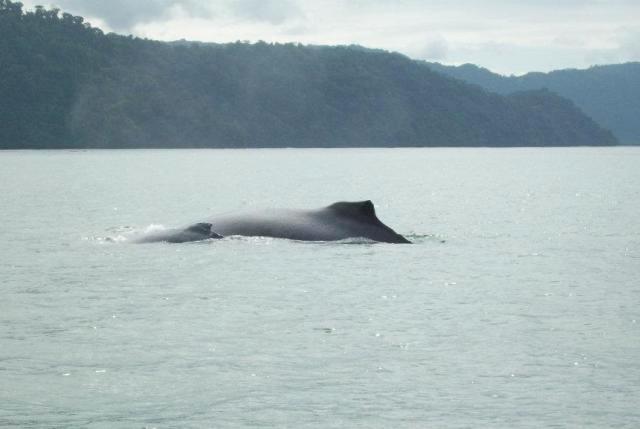
Starting in July, the tranquil blue waters of the Golfo Dulce in southern Costa Rica will receive the astounding phenomenon of the thousands-of-miles-long migration of Pacific humpback whales. See whales in the wild on a whale watching tour from Playa Nicuesa Rainforest Lodge.


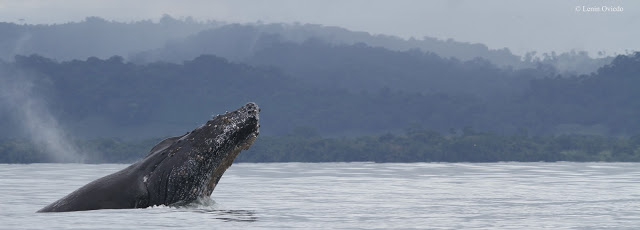
Humpback Whale in Golfo Dulce, photo by Lenin Oviedo of CEIC

A spray of water erupted from the placid blue-green water a few hundred yards off the beach. The long, black and barnacled form of a mother humpback whale surfaced gracefully for air. Our little group standing on the concrete pier pointed excitedly at the huge whale. Then we gasped in delight as we suddenly caught sight of the smaller shape of her baby swimming by her side.
The first time I saw a humpback whale in the wild will live in my memory forever. The special moment occurred in southern Costa Rica on the Pacific gulf of Golfo Dulce at Playa Nicuesa Rainforest Lodge, by the Osa Peninsula. I was finishing 10 months of working at the Costa Rica eco-lodge as operations manager, and this quiet and sunny September afternoon was the final flourish to an extraordinary and life-altering experience of Costa Rica’s raw natural beauty.

My colleagues and I, and the few guests staying with us at the end of tourist season, jumped into one of Nicuesa Lodge’s boats. And at a respectful distance, we cruised along with mother and baby as they slowly swam along the dark green coast thick with rainforest. Pairs of Scarlet Macaws flew overhead as sunset neared, heading to roost in tall shoreline trees for the night. The whales disappeared out of sight, and we motored back to Nicuesa’s protected cove, scarcely able to believe the magical fortune that had befallen us.
Humpback Whale mother and baby by Nicuesa Lodge in Golfo Dulce, Costa Rica
Humpback whales in Costa Rica
After spending Southern Hemisphere summer feeding in the krill and plankton-rich icy Antarctic, Pacific humpback whales swim north in June to the Great Barrier Reef of Australia and as far as Costa Rica for its warm tropical waters to mate, give birth and socialize. From July to October, these southern whales hang out in the protected waters of the Golfo Dulce and the Ballena National Marine Park at the north end of the Osa Peninsula in Costa Rica.

Both areas offer shallow coastal waters and protection from natural predators like sharks and Orcas, and are important habitats vital to the endangered species’ survival, according to the Center for Cetacean Research of Costa Rica (CEIC). Northern Pacific humpback whales swim from Alaska to the Ballena National Marine Park to do the same things from December to April.

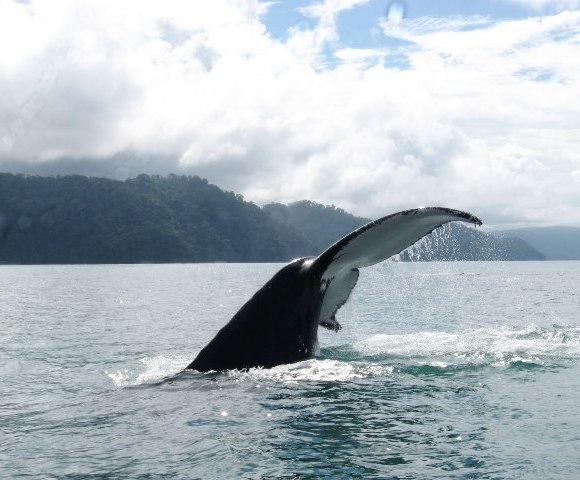
Humpback whale tail in Golfo Dulce, Costa Rica, photo by CEIC

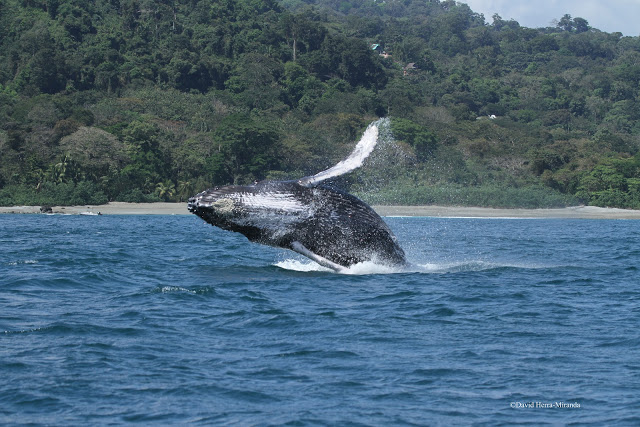
Plentiful sightings of these gentle giants of the sea prompted National Geographic to rate Costa Rica the 7th best place in the world for whale watching. Extravagant tail-slapping displays, breathtaking breaches through the water, and their distinctive hump rising above the water’s surface are the unforgettable sights everyone wants to experience on a Costa Rica whale-watching tour.
Humpback Whale breaching in Golfo Dulce, photo by CEIC

You can see whales and dolphins in their natural environment on whale watching tours from Playa Nicuesa Rainforest Lodge starting toward the end of July through the end of September. Keep a look-out also for visiting whale sharks, the largest fish in the sea.
Nicuesa Lodge is giving a special offer of one free night when you stay a minimum of three or more nights; valid through Sept. 30, 2016.
Article by Shannon Farley
viernes, 27 de mayo de 2016

Whale sharks in Costa Rica give hotel guests surprise thrill

Sometimes it’s monkeys, or a sloth. Or maybe Scarlet Macaws or toucans. Or possibly even dolphins or a humpback whale.
When travelers come to Costa Rica – the eco-capital of Latin America with nearly 6 percent of the world’s biodiversity – they often want to see certain animals. Maybe it is a favorite animal they have been dreaming their whole life to see in person. Or they recently read up on the cool wildlife in Costa Rica.
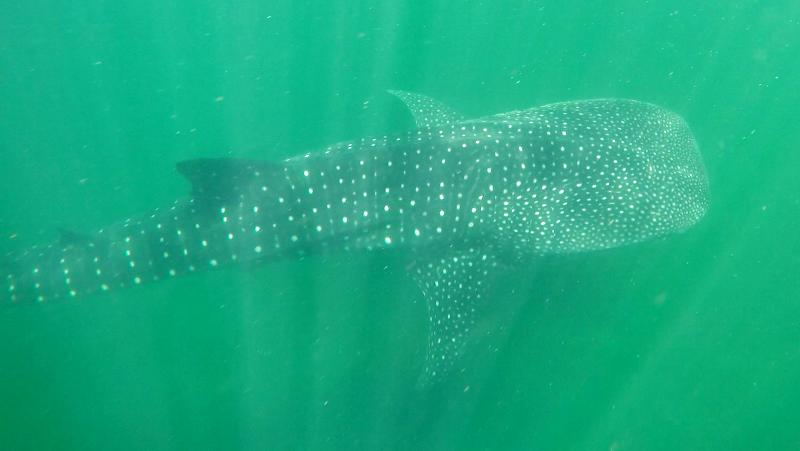
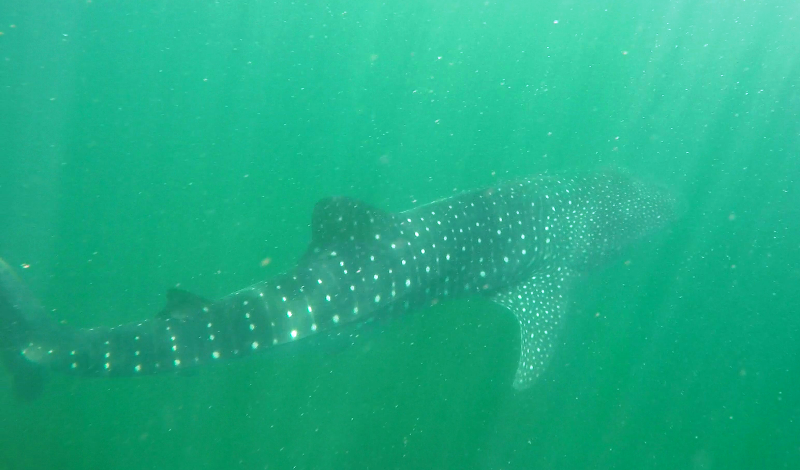
In April, guests and staff at Playa Nicuesa Rainforest Lodge in southern Costa Rica had an incredible experience with a surprise visit by a whale shark swimming in front of Nicuesa Beach in the Golfo Dulce.

Whale shark at Playa Nicuesa Rainforest Lodge in Costa Rica

Boat captain Alejandro was readying a boat for a guest trip that morning, when he saw a huge school of sardines swimming nearby, followed by a whale shark. The small bay in front of Nicuesa Beach is very calm and the water is crystal clear, making it easy to see marine life. As usual, when a Nicuesa staff member sees interesting wildlife, Alejandro called all staff and guests by walkie-talkie to come to the beach immediately.
For one of the hotel’s guests, seeing whale sharks in Costa Rica was a moment he’d waited his whole life for.
“It was an unforgettable experience for everyone,” said Natalia Solis, Sustainability Coordinator at Playa Nicuesa Rainforest Lodge. “Our guest was super grateful because whale sharks are his favorite animal, and by surprise this was his first time to ever see one … when he was at Nicuesa.”
“Without a doubt, this was the ‘Holy Grail’ of marine observation,” enthusiastically added Marcelo Lopez, resident manager at Nicuesa Lodge.

Whale shark at Playa Nicuesa Rainforest Lodge in Costa Rica


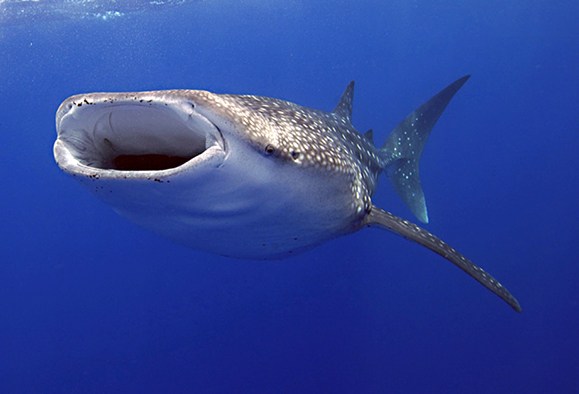
Whale sharks live in warm and tropical waters, and are considered to be the largest fish in the world – growing up to 40 feet (12m) long. Despite their name, whale sharks are not related to whales and are not mammals. And though they are in the shark family, whale sharks feed mainly on plankton and small fish.

Whale shark at Playa Nicuesa Rainforest Lodge in Costa Rica

Whale sharks usually swim with their huge gaping mouths wide open, making it easier to scoop up food along their way. After getting its fill, the whale shark will close its mouth and filter out the water through its gills, leaving only its meal trapped.
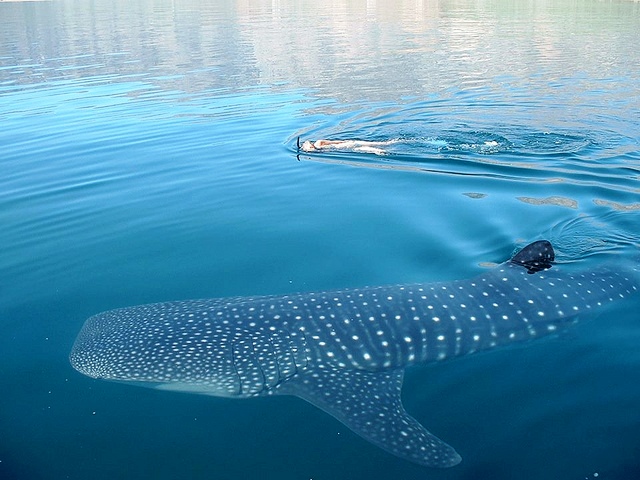
Despite being big and looking intimidating, whale sharks are surprisingly gentle, curious and non-aggressive. They tend to swim near the ocean’s surface, and snorkelers and scuba divers frequently report that they enjoy close encounters with whale sharks.

Snorkeling with whale shark Nicuesa Rainforest Lodge

Whale sharks, which live to be 70 to 100 years old, at one time populated most of the Earth’s tropical waters, but their numbers are dwindling fast. These docile sharks are being hunted in the waters around Asia and are now endangered worldwide.
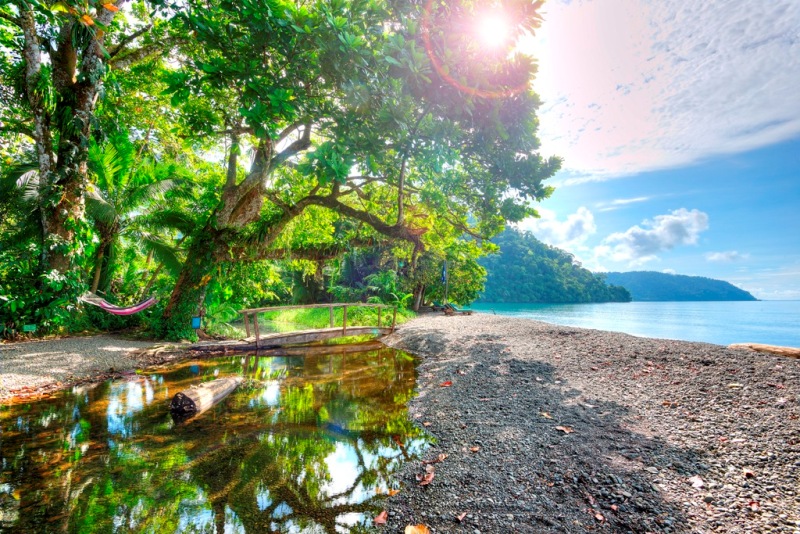
Playa Nicuesa Lodge’s 165-acre private Costa Rica rainforest reserve is located in the extraordinary Golfo Dulce/Osa Peninsula region in southern Costa Rica. Accessible only by boat on the Pacific gulf of Golfo Dulce, the lodge fronts this important life zone for Pacific Humpback Whales, dolphins, hammerhead sharks, whale sharks and sea turtles. It is a unique Costa Rica adventure travel destination for its remote, pristine wilderness location.
Enjoy one free night in paradise when you stay a minimum of three or more nights at Nicuesa Lodge; valid through Sept. 30, 2016.

Playa Nicuesa Rainforest Lodge in Costa RicaArticle by Shannon Farley
Daniel Chavarría, presidente de Pro Imagen y Promotor Turístico del año

Una conversación con Daniel Chavarría

Premiados

  Daniel Chavarría, personaje reconocido y admirado en la industria turística costarricense, ha sido reelecto como presidente de la junta directiva de Pro Imagen, pocos días después de ser galardonado con el reconocimiento a Promotor Turístico del año por ACOPROT, durante el acto inaugural de Expotur 2016.  Conversamos con el señor Chavarría para obtener sus impresiones de los eventos ocurridos en días pasados y conocer sus planes para el futuro.

  Grupo Proimagen junta directiva 2016

 Durante su presidencia pasada liderando el Grupo Pro Imagen, los logros principales fueron el aumento del 25% en el presupuesto para promoción internacional otorgado por el Instituto Costarricense de Turismo.  Por primera vez esta institución agrega un rubro para mercadeo digital, haciendo posible el lanzamiento de un sitio web de primera generación en el 2015. También fue posible la inversión en mercadeo en línea como esfuerzos en redes sociales y la emisión de boletines informativos digitales aprovechando bases de datos.  Durante el 2015 se dio un incremento en la afiliación de los socios, 20 nuevas empresas entraron a ser parte de Pro Imagen.  Esto demuestra que las empresas privadas confían en las labores que se están realizando a nivel internacional y cada vez
muestran más su apoyo.

  Placa Daniel

 Definitivamente otro logro importante fue el acercamiento con aerolíneas principales que tienen vuelos directos hacia Costa Rica.  Estas líneas aéreas apoyan los esfuerzos promocionales otorgando premios, con presencia durante eventos, apoyando en invitaciones y reconfirmaciones para eventos y con viajes de familiarización.

  Daniel podio

Su primera responsabilidad en este nuevo año como presidente de Pro Imagen será liderar la encerrona de la junta directiva para definir el presupuesto del 2017.  La intención será que el presupuesto otorgado por el ICT logre cubrir un territorio más amplio dentro de los Estados Unidos.  Durante el 2015 se abarcaron los estados de California, Texas, Nueva York y el país de Canadá, quedando por fuera ciudades en el estado de Florida y las ciudades de Chicago, Washington y Atlanta.  La meta es poder abarcar todos estos destinos en el 2016, y lograr abarcar tres ciudades por región, versus dos como se hizo en el 2015.  Durante el 2015 se concretó un viaje FAM con la aerolínea AVIANCA, durante el 2016 se quieren concretar por lo menos dos viajes FAM,
posiblemente con American Airlines y Alaska Airlines.

  Premio Daniel

 Cuando le pregunto qué significó para él recibir el galardón como promotor turístico del año, el señor Chavarría responde: “Es un reconocimiento importante a una labor que uno hace con mucho amor y pasión de forma desinteresada para el país.”  Reitera que el hecho de que su nombre fuera postulado para este premio por sus colegas en el gremio turístico lo llena de orgullo y lo motiva para seguir haciendo las cosas bien.

  Daniel escenario

 Artículo por Katie Widdowson