Mostrando entradas con la etiqueta rincon de la vieja. Mostrar todas las entradas

miércoles, 26 de marzo de 2014

Cultural history of Guanacaste explored in new tour at Rincon de la Vieja National Park

Archaeology Tour at Hacienda GuachipelinNot much is known about the first native peoples to live near the massive Rincon de la Vieja Volcano in Costa Rica’s Guanacaste province. A new archaeology tour at the area’s eco-lodge Hacienda Guachipelin will help shed some light on the mysteries of these indigenous ancestors of Costa Rica.

“We’re rescuing the cultural traditions of Guanacaste,” said Fernando Camacho Mora, archaeologist in charge of the project. “We don’t know the name of the people who lived here because they did not have a written language.”

What we do know, Camacho explained, is that a tribe known as the Chorotegas migrated south from Mexico through Nicaragua to Guanacaste in about 900 AD. They lived in places along the Pacific Coast from Salinas Bay south to the Nicoya Gulf, but not in the interior. Archaeological findings show that a different people – probably who spoke a Chibchan languagelived in the area now forming the Rincon de la Vieja National Park from about 10,000 BC.

Helping to uncover the secrets are 14 archaeological sites that have been found around Hacienda Guachipelin, which date from about 300 to 800 AD. “The archaeological sites around the Hacienda did not reach the year 900 AD, so the people living there were not Chorotegan at all. They might have had some contact with the Chorotegas – the archaeological findings indicate that – but they probably were another ethnic group, perhaps a Chibchan one,” said Camacho, who has studied archaeological sites in the area for several years.
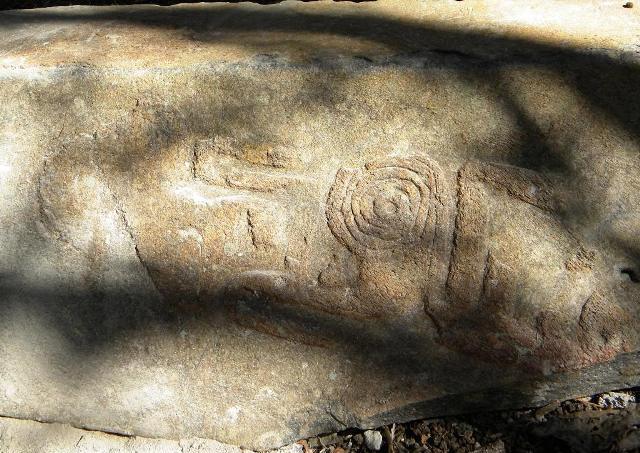
Indigenous petroglyphs Rincon de la ViejaAlmost all of the discovered sites are cemeteries. Camacho said he is planning to do further research to uncover the living areas of the community. Petroglyphs and tomb markers, dating to about 500 AD, have been found in river beds near Hacienda Guachipelin.

The hotel’s new archaeology tour will show off eight stations that give an introduction to the history of Guanacaste and Rincon de la Vieja, and a characterization of life in the indigenous society. The walking tour will start from the hotel Reception, stopping first at the hotel’s new hydroponic garden, and then visiting the exhibit of live snakes and frogs, and the small butterfly garden, before reaching the archaeological section.

Burial tomb at Rincon de la ViejaWalking narrow paths through the tropical dry forest to a small clearing with a life-size statue of a hunter ready with his spear and a woman kneeling on the ground grinding corn, you can imagine what life may have been like in these first settlements. A recreation of a burial tomb shows a replica skeleton and objects such as jade carvings and ceramic bowls to demonstrate burial practices.

The 60 to 90-minute tour will open to the public toward the end of April.

Hotel Hacienda Guachipelín is an ideal place at Rincón de la Vieja Volcano to experience authentic Guanacaste culture and enjoy the best Costa Rica adventure tours. Hotel Hacienda Guachipelín is located 15.5 miles (25 km) northeast of Guanacaste’s main city of Liberia by the Pailas section of the Rincon de la Vieja Volcano.

Article by Shannon Farley

lunes, 17 de febrero de 2014

The immense plains, powerful volcanoes and dry, sunny climate of Guanacaste are becoming pivotal for Costa Rica’s production of renewable energy. The second largest province in the country is being tapped for its powerful resources of wind, solar and geothermal energy.

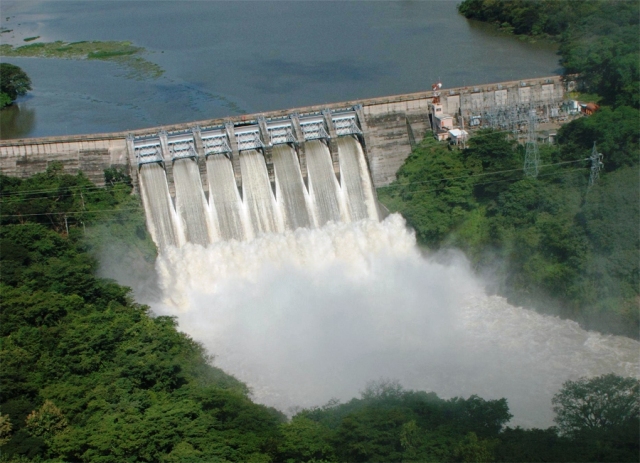
Hydroelectric plant at Lake Arenal in Costa RicaCosta Rica currently produces 91% of its energy from renewable sources: 73% from hydroelectric power, 13% from geothermal plants, 4% from wind turbines, and 1% from biomass, according to the Costa Rica Ministry of Environment and Energy (MINAE). Hydroelectric power, however, is climate-dependent, and during the driest months of summer it is stretched to its limits when water reserves are low. This is why Guanacaste Costa Rica is so important.
Guanacaste wind energy farm 
Wind energy
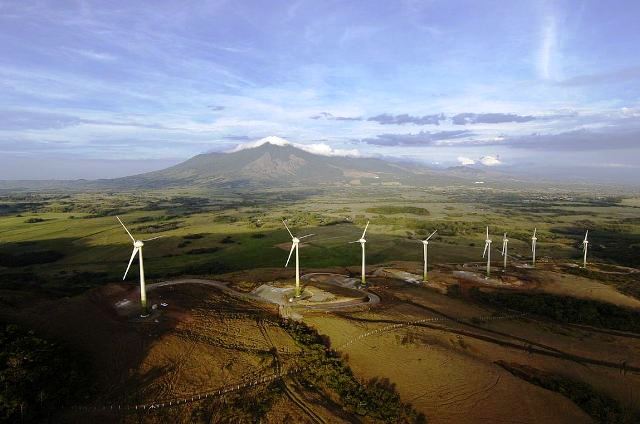
In Guanacaste, Costa Rica – one of the world’s windiest locationsCosta Rican and international companies are harnessing the power of the wind with huge wind turbine farms. There are currently 11 wind energy projects in Costa Rica, most in Guanacaste, and also by Volcano and Lake Arenal and in the Central Valley. Spanish wind engineering firm Gamesa is building a new wind farm in Guanacaste to start generating electricity by 2015.

Solar energy projects in Guanacaste Costa RicaSolar energy
Solar energy companies are a hot venture in Guanacaste right now. When the Miravalles Solar Plant opened on the slopes of the Miravalles Volcano in November 2012, thanks to a $10 million loan by the Japanese government, it was the first of its kind in Costa Rica and the largest solar project in Central America. Now there are several solar projects in the works for the region.

Geothermal energy in GuanacasteGeothermal energy

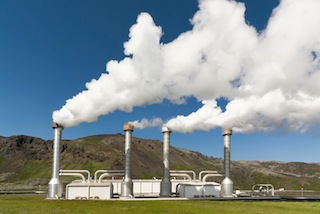
Guanacaste’s North Volcanic Mountain Ridge has been essential for geothermal power generation, tapping the Rincón de la Vieja, Miravalles and Tenorio volcanoes. The Miravalles Geothermal Field (opened in 1994) produces almost 14% of the National Electrical System’s (SEN) capacity. The Pailas Geothermal Power Plant opened in July 2011 just outside the Rincón de la Vieja Volcano National Park. Last November, President Laura Chinchilla signed an agreement with the Japanese International Cooperation Agency (JICA) for a $560 million loan to build three more geothermal power plants near the famous Rincón de la Vieja Volcano in Guanacaste.
Visit Guanacaste
Hotel Hacienda GuachipelinOne of Guanacaste’s best areas to visit is the Rincón de la Vieja Volcano. Stay at Hotel Hacienda Guachipelín, a first-class ecotourism lodge at Rincón de la Vieja.

For things to do in Guanacaste, Costa Rica, try the Costa Rica adventure tours at Hacienda Guachipelin. Their adventure park offers you canopy zip lines, canyoning, waterfall rappelling, river tubing, horseback riding, nature trails, natural thermal springs, and tours into the Rincón de la Vieja Volcano National Park.
Article by Shannon Farley

The immense plains, powerful volcanoes and dry, sunny climate of Guanacaste are becoming pivotal for Costa Rica’s production of renewable energy. The second largest province in the country is being tapped for its powerful resources of wind, solar and geothermal energy.
Hydroelectric plant at Lake Arenal in Costa RicaCosta Rica currently produces 91% of its energy from renewable sources: 73% from hydroelectric power, 13% from geothermal plants, 4% from wind turbines, and 1% from biomass, according to the Costa Rica Ministry of Environment and Energy (MINAE). Hydroelectric power, however, is climate-dependent, and during the driest months of summer it is stretched to its limits when water reserves are low. This is why Guanacaste Costa Rica is so important.
Guanacaste wind energy farmWind energy
In Guanacaste, Costa Rica – one of the world’s windiest locationsCosta Rican and international companies are harnessing the power of the wind with huge wind turbine farms. There are currently 11 wind energy projects in Costa Rica, most in Guanacaste, and also by Volcano and Lake Arenal and in the Central Valley. Spanish wind engineering firm Gamesa is building a new wind farm in Guanacaste to start generating electricity by 2015.
Solar energy projects in Guanacaste Costa RicaSolar energy
Solar energy companies are a hot venture in Guanacaste right now. When the Miravalles Solar Plant opened on the slopes of the Miravalles Volcano in November 2012, thanks to a $10 million loan by the Japanese government, it was the first of its kind in Costa Rica and the largest solar project in Central America. Now there are several solar projects in the works for the region.
Geothermal energy in GuanacasteGeothermal energy
Guanacaste’s North Volcanic Mountain Ridge has been essential for geothermal power generation, tapping the Rincón de la Vieja, Miravalles and Tenorio volcanoes. The Miravalles Geothermal Field (opened in 1994) produces almost 14% of the National Electrical System’s (SEN) capacity. The Pailas Geothermal Power Plant opened in July 2011 just outside the Rincón de la Vieja Volcano National Park. Last November, President Laura Chinchilla signed an agreement with the Japanese International Cooperation Agency (JICA) for a $560 million loan to build three more geothermal power plants near the famous Rincón de la Vieja Volcano in Guanacaste.
Visit Guanacaste
Hotel Hacienda GuachipelinOne of Guanacaste’s best areas to visit is the Rincón de la Vieja Volcano. Stay at Hotel Hacienda Guachipelín, a first-class ecotourism lodge at Rincón de la Vieja.
For things to do in Guanacaste, Costa Rica, try the Costa Rica adventure tours at Hacienda Guachipelin. Their adventure park offers you canopy zip lines, canyoning, waterfall rappelling, river tubing, horseback riding, nature trails, natural thermal springs, and tours into the Rincón de la Vieja Volcano National Park.
Article by Shannon Farley

jueves, 29 de agosto de 2013

La Casa de la Aventura es Costa Rica

Rincón de la Vieja ChallengeSituado en la provincia de Guanacaste, en el Pacífico norte de Costa Rica, se yergue el Rincón de la Vieja. Es el volcán más grande en la región noroeste del país. Con una altura de 1.915 metros, la caldera posee 15 Km. de ancho. Es un sitio considerado como lugar místico y sagrado según la antigua tribu curubandé. Asimismo, el parque nacional circundante fue declarado Patrimonio de la Humanidad por la UNESCO en 1999.

Esta zona sirvió de escenario para la prueba de ciclismo de montaña «Rincón de la Vieja Challenge». En dicho evento deportivo, el representante de Portugal, Luis Leão Pinto, se coronó ganador. La competición inició desde el hotel Hacienda Guachipelín (en las cercanías del área protegida) y concluyó el pasado domingo 24 de agosto. En total, tuvo una distancia de 100 millas (160,9 kilómetros) y fue la primera de su tipo en América Latina. Según sus organizadores, es el único recorrido que da vueltas a un volcán activo.

Rincón de la Vieja ChallengeEn medio de este entorno, un grupo de ciclistas internacionales pusieron a prueba sus habilidades y resistencia, atravesando cinco tipos de microclimas. Recorrieron desde planicies áridas, bosques nublados exuberantes y ríos; hasta el famoso volcán Miravalles. Por ese motivo, se incluyeron pistas de tierra, caminos de barro rojo, senderos de roca volcánica y tramos en suave piedra caliza
.
Por eso, los amantes de la adrenalina se sentirán muy a gusto en la zona de Guanacaste. Específicamente el hotel Hacienda Guachipelín es el lugar para alojarse en las cercanías de Rincón de la Vieja y disfrutar de unas vacaciones activas. Situado 25 Km. al noreste de Liberia, la capital de la región, resulta ideal para vivir la aventura en medio de la naturaleza. Las actividades son variadas aunque con un factor común: un ambiente propio de hacienda ganadera costarricense.

Leer Más : http://www.guachipelin.com/blog/?p=921

martes, 30 de julio de 2013

Disfrute las Aguas Termales de la Hacienda Guachipilín

Desde épocas ancestrales, las civilizaciones antiguas aprendieron acerca de los beneficios de las aguas termales. Siglos más tarde, algunos de estos sitios se transformaron en balnearios. En la actualidad también es fácil encontrarlos en sitios como playas, colinas o zonas sin fuentes naturales.
No obstante, aquellos que emplean al ambiente como fuente de relajación son más beneficiosos que los demás. Un chapuzón en las fuentes de agua caliente posee muchas ventajas para la salud. Ahora bien, es lógico pensar: «¿cómo puede ser distinto un baño en aguas termales que otro en una tina casera?». La diferencia radica en:
  • Las primeras contienen minerales como azufre, dióxido de carbono y calcio, entre otros.
  • Estos elementos trabajan con el sistema inmunológico, lo que ayuda en la curación del cuerpo.
  • Dichas sustancias facilitan la relajación del cuerpo a través de la producción de endorfinas.
  • Los iones negativos presentes en las aguas termales ayudan a mejorar la salud psicológica y física del cuerpo.
  • Se ha comprobado científicamente que dichas sustancias poseen un efecto notable en la rápida cicatrización de las heridas. Solo el azufre cura malestares como dermatitis, psoriasis e infecciones micóticas.
Eso sí, tenga presente que existen algunas medidas que debe tomar antes de visitar un balneario. En primer término, confirme con su médico que tiene la condición física necesaria. Si tiene dudas al respecto, limite sus inmersiones a pequeños periodos con una duración de entre 10 y 15 minutos.
Esté atento de su situación dentro del agua. Si se siente incómodo en cualquier momento, salga del agua inmediatamente. Además, considere que mientras esté en las aguas termales debe beber mucho líquido para que no se deshidrate. Por último, lo mejor es visitar un lugar de trayectoria reconocida. En el caso de Costa Rica, lo mejor es darse una vuelta por el hotel Hacienda Guachipelín.

Ubicado cerca del Parque Nacional Rincón de la Vieja, es una zona volcánica reconocida nacionalmente por la energía que emana de la Tierra. Esta se aprovecha tanto en proyectos geotérmicos como en turismo por sus manantiales naturales.