viernes, 15 de noviembre de 2013

Chill out in tropical paradise in Nosara, Costa Rica.

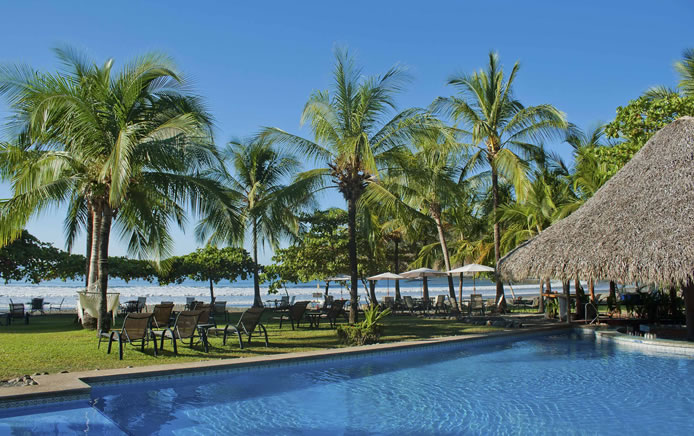
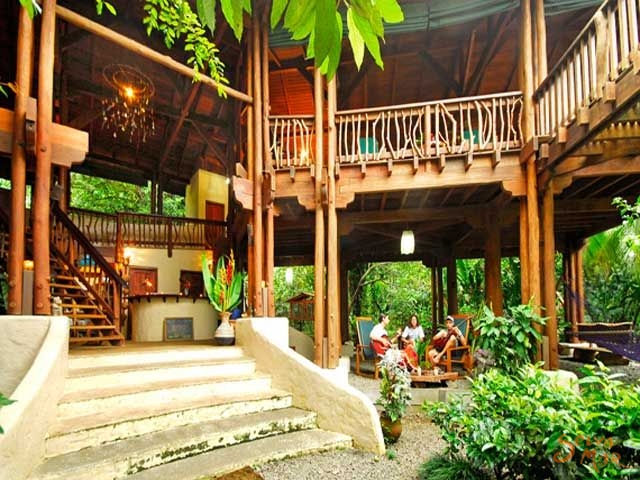
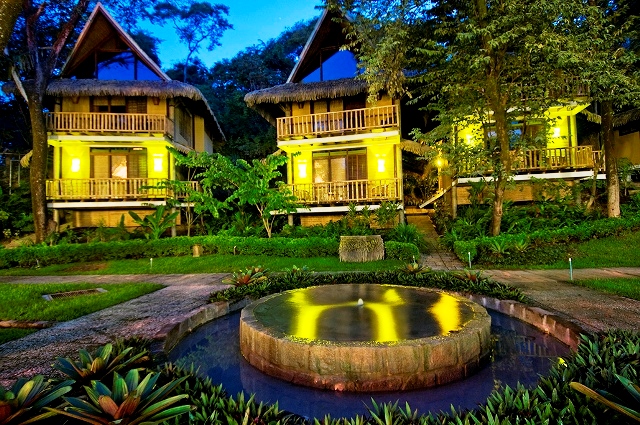
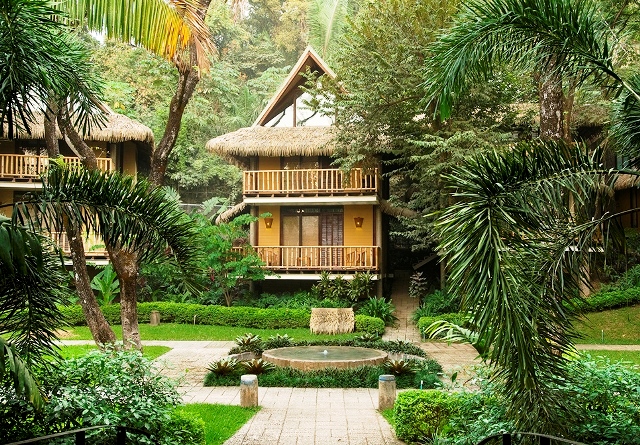
Bali-style architecture, L'acqua Viva Resort and Spa, Nosara, Costa RicaThatched-roof pavilions in jungle gardens, hidden courtyards reflecting pools and temple carvings, covered open-air walkways, wide verandas and smooth wooden decks, living spaces that invite the landscape inside … these are all elements of the world-wide architectural phenomenon known as "Bali Style."

The mere mention of Bali evokes thoughts of tropical paradise. Bali is more than a small Indonesian island; it's a tropical state of mind. That "Shangri-La" vision has carried Bali's rich imagery far and wide in modern tropical architecture, furniture, art, and garden landscaping.

Tropical architecture design works with the elements of nature to achieve living comfort in hot, humid and wet climates. Balinese design is known for mirroring and blending in with its surroundings. Wood, bamboo and natural stone are used generously, earth tones dominate, and steeply pitched thatched or clay-tiled roofs with big overhangs help protect interior spaces from the tropical sun's brightness, as well as gushing rain showers. Living spaces open to gorgeous, lush green gardens, lofty mountains, or beautiful coastlines. The spirit world is very important in Bali, and their homes call to mind relaxing, meditative energy.
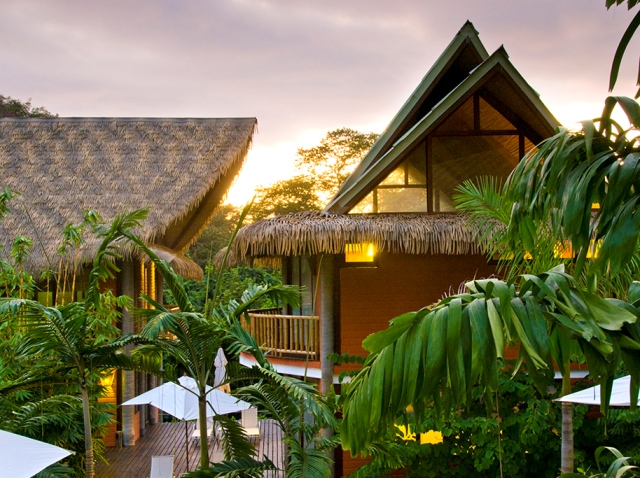
Balinese style roofs at L'acqua Viva Resort and Spa, Nosara, Costa RicaTo simulate Bali's beautiful landscapes, this highly-popular architectural style uses inner courtyards set off by wooden decks, pools and water features – creating a harmonious relationship with nature.

Bali-style architecture is exceptionally popular in tropical Costa Rica. A spectacular example of Bali-style architecture is L'acqua Viva Resort & Spa at Playa Guiones, by Nosara on the Nicoya Peninsula. L'acqua Viva means "live water," which is a key element flowing throughout the property. Hotel buildings and guest suites seem to float on abundant water mirrors, ponds and pools. Triangular pitched roofs sport wide thatched overhangs. A large elevated wooden deck by the pool provides space for sunning, along with shaded areas for when you need a rest from the heat.
L'acqua Viva Resort and Spa, Nosara, Costa RicaL'acqua Viva Resort & Spa is located one kilometer from the fine white sand beach of Playa Guiones, known for great Costa Rica surfing. L'acqua Viva is part of the Enchanting Hotels group of Costa Rica. The best way to reach Nosara and Playa Guiones is to take a domestic flight from San Jose or Liberia to the Nosara domestic airport.
Article by Shannon Farley

L'acqua Viva Resort in Costa Rica sets off exotic Bali style

Hotel Punta Islita wins four top travel awards in 2013

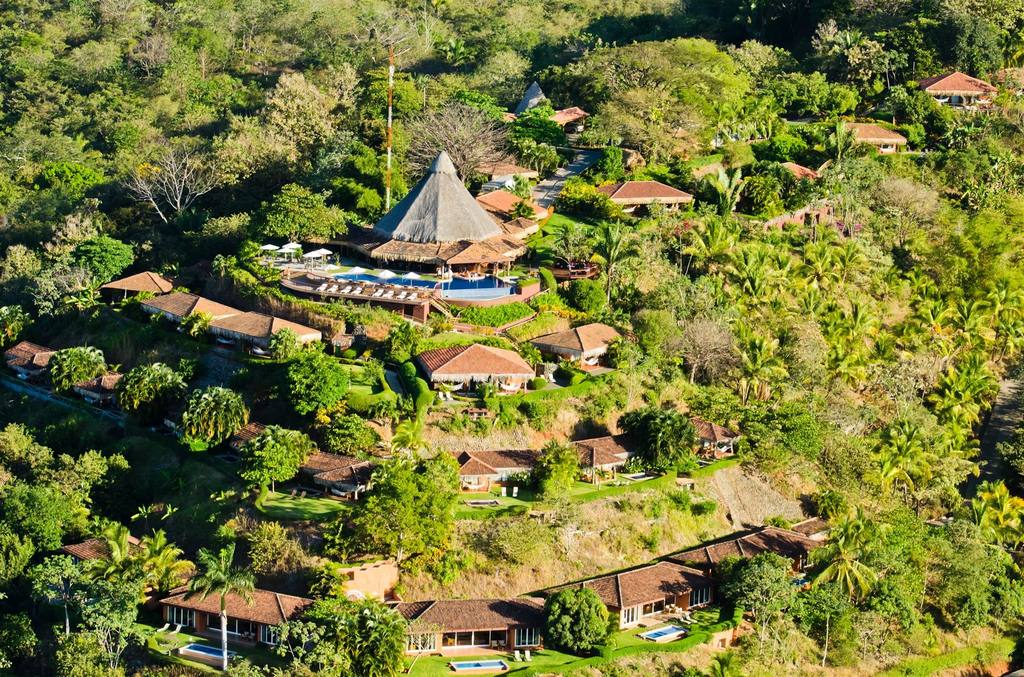
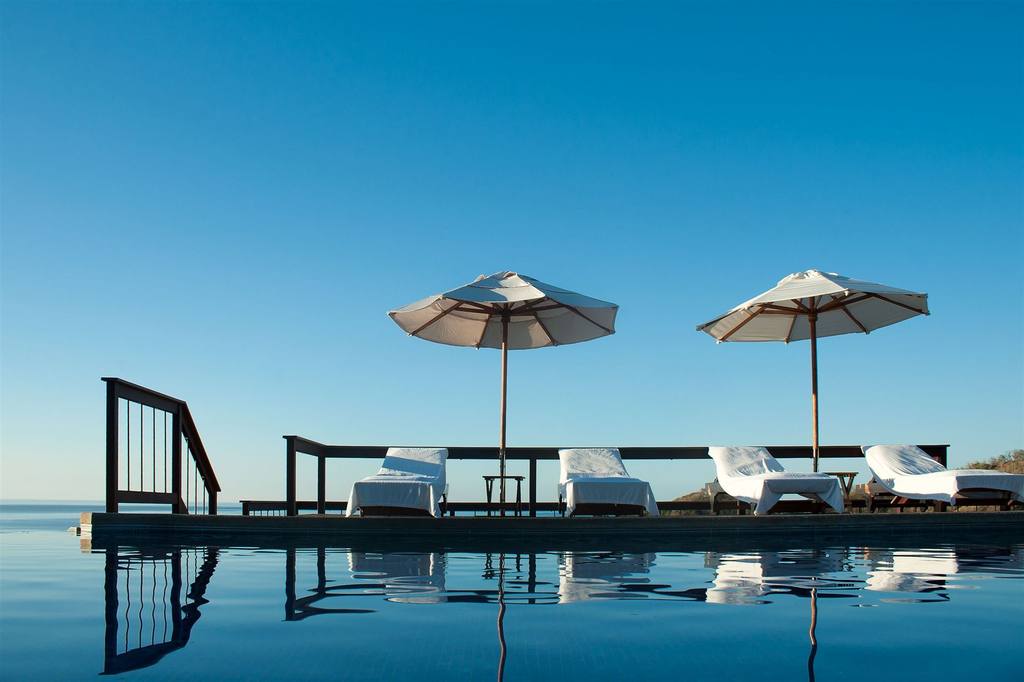
Hotel Punta Islita infinity pool, Nicoya Peninsula, Costa RicaHotel Punta Islita on the Nicoya Peninsula, one of Costa Rica's most awarded hotels, recently gained yet another feather in its cap by being inducted into the travel world's prestigious "Autograph Collection" by Marriott International. The Costa Rica boutique hotel is the 50th luxury hotel in the world, and the first in Central America, to be added to the exclusive portfolio that prizes travel properties for their uniqueness, elegance, top-of-the-line service, and corporate social responsibility.

Hidden away on a remote stretch of Costa Rica's Nicoya Peninsula, overlooking a white sand beach and an azure cove on the Pacific Ocean, Hotel Punta Islita is like no other Costa Rica hotel. Its off-the-beaten-path destination caters to sophisticated travelers and allows you to slow down, deeply relax, and really enjoy your Costa Rica vacation or honeymoon.

Hotel Punta Islita beach club, Nicoya Peninsula, Costa RicaThe list of Hotel Punta Islita's awards is long and impressive. In just 2013, Hotel Punta Islita was named one of the Best 100 Hotels in the World by Travel & Leisure Magazine, chosen for the Gold List by Condé Nast Traveler Magazine, and given a Traveler's Choice Award by TripAdvisor.

Holding the maximum level in the Costa Rican Tourism Board's (ICT) Certification for Sustainable Tourism Program, the five-star eco-hotel showcases the unique design of prominent Costa Rican architect, Ronald Zurcher. The hotel cascades down a hilltop in tiers to the Islita Beach, where their private beach club is located. On Hotel Punta Islita's 300 acres, there is an executive nine-hole golf course, tennis courts, spa, conference room and two restaurants. The hilltop infinity-pool is one of the most spectacular features. 

To stay at Hotel Punta Islita, you have the choice between luxury rooms and suites or private villas.Hotel Punta Islita designed by Ronald Zurcher, Costa Rica
Just because Hotel Punta Islita is secluded, that doesn't mean that it's isolated from the surrounding Costa Rican community. Nearby, you can enjoy Costa Rica eco-adventures like river kayaking, canopy ziplines, wildlife-spotting safaris, night-time sea turtle watching excursions, or bird-watching hikes led by local naturalist guides. The hotel has a private landing strip for small commuter aircraft, with commercial flights operating from San Jose on a regular schedule throughout the year.


Costa Rica Guides can help you with your Costa Rica vacation plans and to make reservations at Hotel Punta Islita. Operated by Expediciones Tropicales, a Costa Rica travel agency with more than 18 years of experience, Costa Rica Guides, assists with hotel reservations, Costa Rica tours, Costa Rica vacation packages, private transportation, rental cars, shuttle services, local flights, and information on what to do, where to go and what to see while you're in Costa Rica.

Article by Shannon Farley
Hotel Punta Islita wins four top travel awards in 2013

martes, 12 de noviembre de 2013

What to do for nature and adventure vacations in Costa Rica.

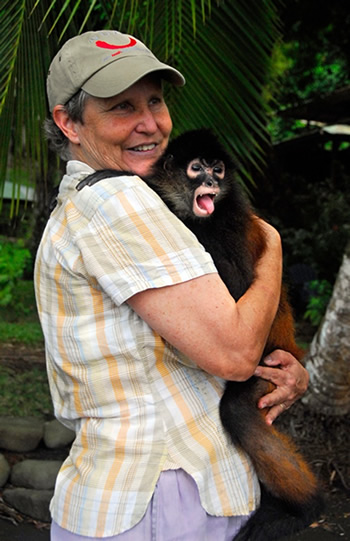
Osa Wildlife Sanctuary founder Carol Patrick and Winkie the spider monkeyMeet sloths, kinkajous, tayras, ocelots, peccaries and anteaters. Stand next to Scarlet Macaws feeding on almond trees. Watch white-faced monkeys swing and play next to you, and have your heart melt when a spider monkey comes to hold your hand.

This isn't some exotic zoo, but rather the Osa Wildlife Sanctuary on Golfo Dulce in the South Pacific of Costa Rica. The Costa Rica wildlife refuge helps orphaned and injured animals that are indigenous to this southern Pacific rainforest. Sadly, many of the animals are victims of illegal pet trade. 

Monkeys, wild cats, kinkajous, Scarlet Macaws and other prized creatures are captured as babies, and then abused or abandoned when their owners find they don't know how to deal with a wild animal. The Osa Wildlife Sanctuary works closely with the Costa Rica Ministry of Environment and Energy (MINAE) to rescue illegally-held animals.

The sanctuary on the beautiful Golfo Dulce coast by the Piedras Blancas National Park was originally an eco-lodge started by owners Carol Patrick and Earl Crews. Carol got a reputation for tending to injured animals, and soon locals began dropping off orphaned and injured wildlife until there was no time for guests. The Osa Wildlife Sanctuary was then established in 1996.

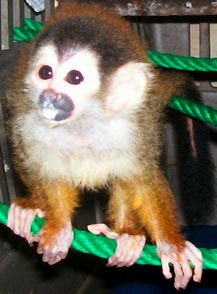
Osa Wildlife Sanctuary, baby squirrel monkeyAt first primarily an avian sanctuary, after Poppy the spider monkey arrived in 2003, all sorts of wonderful critters started showing up. Carol and her staff try their best to rehabilitate animals to release back into the wild. For each animal that enters the refuge, a complex and often unconventional playground, specifically designed to mimic its natural habitat, is created for housing. Environmental enrichment features – like species-appropriate toys, imitation streams with cascading water, and tree branches –encourage natural behaviors and prevent boredom.

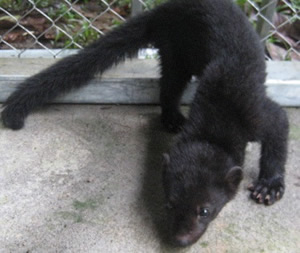
Osa Wildlife Sanctuary, Boogie the Tayra
The Osa Wildlife Sanctuary is a non-profit organization and relies on donations and tour fees to help with expenses like food, staffing, veterinary medical care, and supplies. Guided tours for visitors cost $25 per person and reservations must be made in advance.

Playa Nicuesa Lodge reception main buildingThe animal refuge is a popular eco-tour for guests at Playa Nicuesa Rainforest Lodge, just 10 minutes away by boat down the Golfo Dulce coast. Playa Nicuesa Rainforest Lodge is an environmentally sensitive eco-lodge set on a 165-acre private preserve. 

The award-winning eco-lodge caters to travelers interested in ecotourism, nature and adventure. They offer family vacations, honeymoon trips, nature and adventure vacations, and yoga classes and retreats.

Article by Shannon Farley

Wildlife encounters on Costa Rica’s Golfo Dulce Coast

lunes, 11 de noviembre de 2013

Tortuguero, Costa Rica Where the wild things are

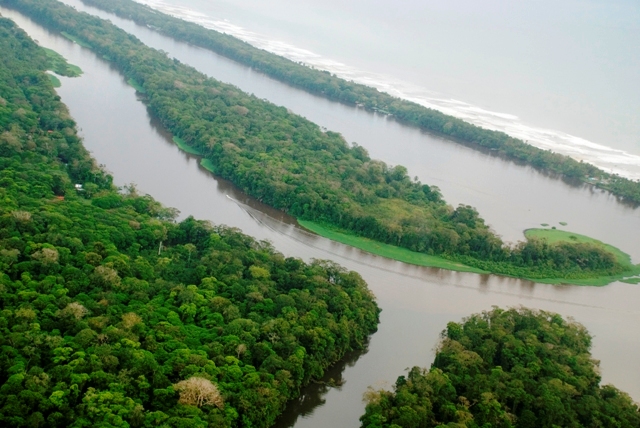
Costa Rica's little Amazon at TortugueroThe Tortuguero coast in Costa Rica is a 22-mile-long, desolate, volcanic black sand beach littered with driftwood and tree logs tossed up on shore from the untamed ocean. 

It is a wild place – like the imaginary jungle coast in Maurice Sendak's "Where the Wild Things Are." There is nothing but beach and low, swampy jungle for miles and miles. You can't swim here because of rough surf, strong currents and sharks that will eat you – adding to the isolation.

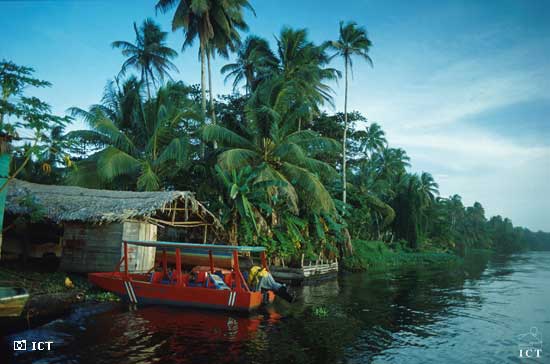
Known as Costa Rica's "little Amazon" for its completely wild and dense tropical lowland rainforest, and serpentine maze of canals and lagoons, Tortuguero on the northern Caribbean Coast is a special and widely varied ecosystem. If you enjoy nature, Tortuguero is an un-missable destination on a Costa Rica vacation.

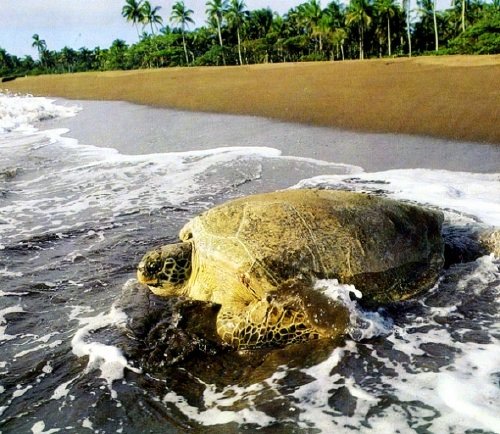
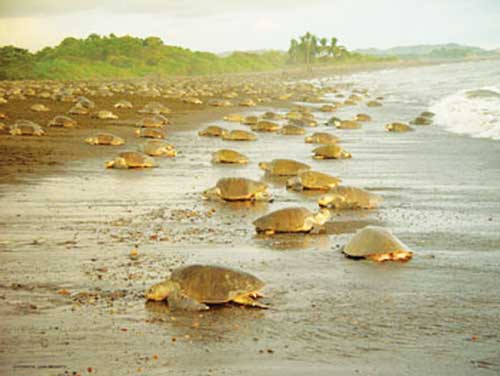
Tortuguero, Costa Rica is famous for sea turtlesTortuguero is famous for being the Western Hemisphere's most important nesting site for the endangered Green sea turtle, and a major nesting site for the critically endangered Hawksbill and Leatherback sea turtles. According to scientific records, the turtles have been recorded coming here since at least 1592 to nest and hatch their young in Tortuguero's extreme solitude.

The name "Tortuguero" means "turtle catcher" in Spanish, and the turtle population came perilously close to extinction in the 1960s from hunting. Renowned sea turtle expert and ecologist, Dr. Archie Carr, founded the Caribbean Conservation Corporation, now known as the Sea Turtle Conservancy, in 1959 to study and protect the sea turtles. Soon after, in 1970, Costa Rica created the Tortuguero National Park to preserve more than 46,900 acres Green sea turtles nesting at Tortuguero(19,000 hectares), along with the 22 miles of nesting beach, making it one of the largest remaining lowland wet tropical forests in the country.

The giant Leatherback sea turtles come ashore to nest from March to July; Hawksbill turtles nest from May to November, and the Green sea turtles arrive en masse by the thousands to nest from July to October. Sixty days or so later, the turtle eggs hatch and thousands of tiny four-inch-long sea turtle babies emerge all together and race to the sea. Visitors to the area go on guided tours to see the turtles since no one is allowed unaccompanied on the beaches after 6:00 p.m. to prevent poaching.

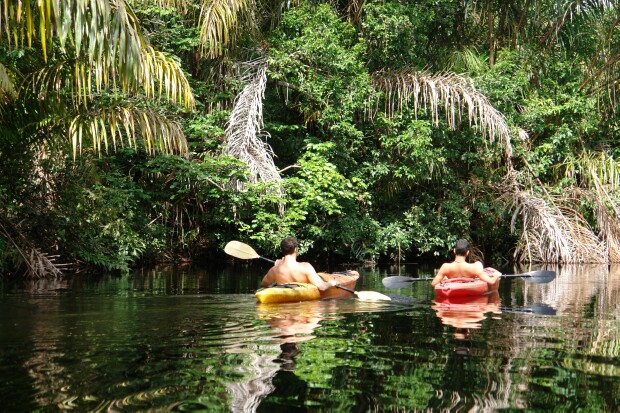
Kayaking in Tortuguero, Costa Rica with Valle Dorado Tours To see the rest of Tortuguero National Park, the best way is by boat or kayak along its canals through the labyrinth of islets, which are home to more than 50 species of amphibians, 100 kinds of reptiles, 300 types of birds and 60 species of mammals. If you are exceptionally lucky, you may even spot an endangered West Indian Manatee that populates these waters.

Travel to Tortuguero

Valle Dorado Tours in Costa Rica offers a 3-day, 2-night Tortuguero vacation package, as well as custom travel itineraries to Tortuguero. Due to the remoteness of the area, most lodges and tour packages include all meals, transportation to and from San Jose, and tours. Top Costa Rica travel agency Valle Dorado Tours works with three of the best lodges in the area:
Tortuguero, image by ICT
Getting to Tortuguero:

The only way to travel to Tortuguero is either by land and then boat (usually via one of the lodges), or by air to the small airstrip near Tortuguero Village. Only Nature Air flies to Tortuguero from San Jose.
Article by Shannon Farley