lunes, 17 de febrero de 2014

The immense plains, powerful volcanoes and dry, sunny climate of Guanacaste are becoming pivotal for Costa Rica’s production of renewable energy. The second largest province in the country is being tapped for its powerful resources of wind, solar and geothermal energy.
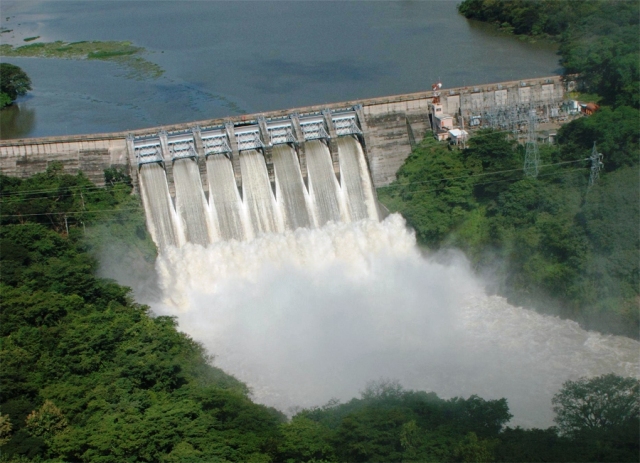
Hydroelectric plant at Lake Arenal in Costa RicaCosta Rica currently produces 91% of its energy from renewable sources: 73% from hydroelectric power, 13% from geothermal plants, 4% from wind turbines, and 1% from biomass, according to the Costa Rica Ministry of Environment and Energy (MINAE). Hydroelectric power, however, is climate-dependent, and during the driest months of summer it is stretched to its limits when water reserves are low. This is why Guanacaste Costa Rica is so important.
Guanacaste wind energy farm 
Wind energy
In Guanacaste, Costa Rica – one of the world’s windiest locations – Costa Rican and international companies are harnessing the power of the wind with huge wind turbine farms. There are currently 11 wind energy projects in Costa Rica, most in Guanacaste, and also by Volcano and Lake Arenal and in the Central Valley. Spanish wind engineering firm Gamesa is building a new wind farm in Guanacaste to start generating electricity by 2015.

Solar energy projects in Guanacaste Costa RicaSolar energy
Solar energy companies are a hot venture in Guanacaste right now. When the Miravalles Solar Plant opened on the slopes of the Miravalles Volcano in November 2012, thanks to a $10 million loan by the Japanese government, it was the first of its kind in Costa Rica and the largest solar project in Central America. Now there are several solar projects in the works for the region.

Geothermal energy in GuanacasteGeothermal energy

Guanacaste’s North Volcanic Mountain Ridge has been essential for geothermal power generation, tapping the Rincón de la Vieja, Miravalles and Tenorio volcanoes. The Miravalles Geothermal Field (opened in 1994) produces almost 14% of the National Electrical System’s (SEN) capacity. The Pailas Geothermal Power Plant opened in July 2011 just outside the Rincón de la Vieja Volcano National Park. Last November, President Laura Chinchilla signed an agreement with the Japanese International Cooperation Agency (JICA) for a $560 million loan to build three more geothermal power plants near the famous Rincón de la Vieja Volcano in Guanacaste.
Visit Guanacaste
Hotel Hacienda GuachipelinOne of Guanacaste’s best areas to visit is the Rincón de la Vieja Volcano. Stay at Hotel Hacienda Guachipelín, a first-class ecotourism lodge at Rincón de la Vieja.

For things to do in Guanacaste, Costa Rica, try the Costa Rica adventure tours at Hacienda Guachipelin. Their adventure park offers you canopy zip lines, canyoning, waterfall rappelling, river tubing, horseback riding, nature trails, natural thermal springs, and tours into the Rincón de la Vieja Volcano National Park.
Article by Shannon Farley

The immense plains, powerful volcanoes and dry, sunny climate of Guanacaste are becoming pivotal for Costa Rica’s production of renewable energy. The second largest province in the country is being tapped for its powerful resources of wind, solar and geothermal energy.
Hydroelectric plant at Lake Arenal in Costa RicaCosta Rica currently produces 91% of its energy from renewable sources: 73% from hydroelectric power, 13% from geothermal plants, 4% from wind turbines, and 1% from biomass, according to the Costa Rica Ministry of Environment and Energy (MINAE). Hydroelectric power, however, is climate-dependent, and during the driest months of summer it is stretched to its limits when water reserves are low. This is why Guanacaste Costa Rica is so important.
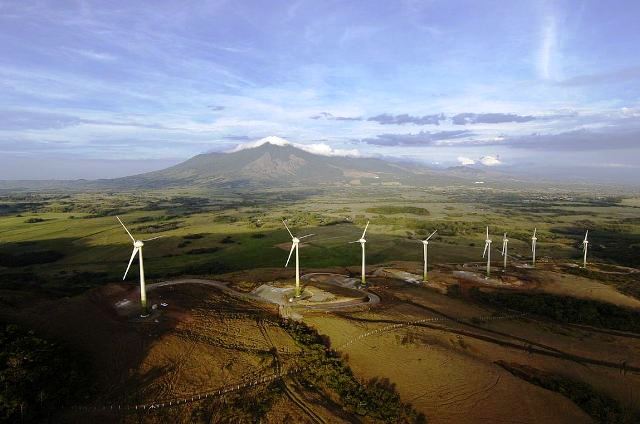
Guanacaste wind energy farmWind energy
In Guanacaste, Costa Rica – one of the world’s windiest locations – Costa Rican and international companies are harnessing the power of the wind with huge wind turbine farms. There are currently 11 wind energy projects in Costa Rica, most in Guanacaste, and also by Volcano and Lake Arenal and in the Central Valley. Spanish wind engineering firm Gamesa is building a new wind farm in Guanacaste to start generating electricity by 2015.
Solar energy projects in Guanacaste Costa RicaSolar energy
Solar energy companies are a hot venture in Guanacaste right now. When the Miravalles Solar Plant opened on the slopes of the Miravalles Volcano in November 2012, thanks to a $10 million loan by the Japanese government, it was the first of its kind in Costa Rica and the largest solar project in Central America. Now there are several solar projects in the works for the region.
Geothermal energy in GuanacasteGeothermal energy
Guanacaste’s North Volcanic Mountain Ridge has been essential for geothermal power generation, tapping the Rincón de la Vieja, Miravalles and Tenorio volcanoes. The Miravalles Geothermal Field (opened in 1994) produces almost 14% of the National Electrical System’s (SEN) capacity. The Pailas Geothermal Power Plant opened in July 2011 just outside the Rincón de la Vieja Volcano National Park. Last November, President Laura Chinchilla signed an agreement with the Japanese International Cooperation Agency (JICA) for a $560 million loan to build three more geothermal power plants near the famous Rincón de la Vieja Volcano in Guanacaste.
Visit Guanacaste
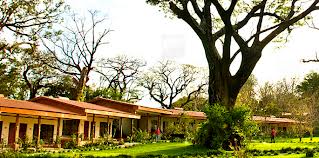
Hotel Hacienda GuachipelinOne of Guanacaste’s best areas to visit is the Rincón de la Vieja Volcano. Stay at Hotel Hacienda Guachipelín, a first-class ecotourism lodge at Rincón de la Vieja.
For things to do in Guanacaste, Costa Rica, try the Costa Rica adventure tours at Hacienda Guachipelin. Their adventure park offers you canopy zip lines, canyoning, waterfall rappelling, river tubing, horseback riding, nature trails, natural thermal springs, and tours into the Rincón de la Vieja Volcano National Park.
Article by Shannon Farley

viernes, 14 de febrero de 2014

Take a city tour of San Jose and see the National Theatre.

When touring through beautiful historic buildings, the key is to remember to look up. Above you are often magnificent fresco-ed ceilings, intricate moldings, glittering chandeliers and other decorative adornments.

Costa Rica National Theater ceiling, image by National TheatreSuch is the case with the National Theatre of Costa Rica. When visiting the most popular tourist attraction in the capital city of San Jose, stop and gaze upward. The theatre’s ceiling mural entitled the “Allegory of Coffee and Bananas” (Alegoría al Café y al Banano) was just named one of “10 great ceilings around the world,” according to an article in USA Today.

The famous painting by Italian artist J. Vila used to grace the back of the five colón bill that is no longer in circulation. 

Though the giant work-of-art captures the essence of Costa Rican rural Old 5 colones note Costa Ricalife at the turn of the 20th century, it is evident that the painter never visited Costa Rica for the mural’s anomalies. For instance, coffee grows at high elevation rather than at sea level as the painting depicts, and there is a man holding a bunch of bananas like a large floral bouquet instead of over his shoulder as would be traditional.

The ornate Neo-Classical National Theatre (Teatro Nacional) is considered the finest historic building in San Jose, and is known for its exquisite interior decorated with lavish furnishings and beautiful murals. Constructed between 1891 and 1897, the theatre opened in National Theatre foyerOctober 1897. 

Copied after the famous Paris Opera House, the theatre was built at a time when upper-class Costa Ricans wanted to transform the capital from a sleepy town of 17,000 people into a stop on the world opera circuit. Costa Rican citizens helped pay for the theatre by a special tax.

The front of the theatre features statues of 17th century Spanish playwright Pedro Calderón de la Barca and famous German composer Ludwig van Beethoven. The vestibule floor is laid with Carrara marble along with bronze trim and ample use of 22.5 carat gold overlay. Italian sculptor Pietro Bulgarelli’s statues of the muses adorn the lobby. A stunning inlaid wood floor of tropical woods in red, pink, black and gold graces the second floor. There is a wonderful café, gallery and gift shop on the ground floor.

Tourists can enter during the day and take a self-guided tour through the theatre. There often are free musical programs at Noon, and on Thursdays at 5:00 p.m. For more information on the National Theatre, call (506) 2221-5341.
See the best of San Jose with Costa Rica Special Deals, a professional online travel service. Costa Rica Special Deals will help you with San Jose hotels, Costa Rica all-inclusive deals, reservations, transportation, and tips on what to do for your Costa Rica vacation.

Article by Shannon Farley

jueves, 13 de febrero de 2014

2014 Costa Rica national surfing competition held at Nosara Costa Rica

Surfing Playa Guiones, image by surfing nosaraThe waves were big, and so were the national surfers who came to Playa Guiones at Nosara Costa Rica last weekend for the third competition in the 2014 Olympus National Surfing Circuit.

Costa Rican pros like Gilberth Brown, Jair Perez, Jason Torres, Carlos Munoz, Lisbeth Vindas and Nataly Bernold descended on the top Costa Rica surfing beach for the tournament, held Feb. 8-9. Munoz was just returning from Oahu, Hawaii, where he made it to the fourth round of the Volcom Pipe Pro 2014 international competition the week before. Jair Perez is the reigning Costa Rican national men’s surf champion. But it was Playa Hermosa resident and Latin American Champion, Jason Torres, who took home the Men's Open Division trophy.

 The 2012 National Champion Nataly Bernold won first place in the Women’s Open Division – her second competition win in a row – upsetting the lead that 2013 National Champion Lisbeth Vindas started out with in this year’s circuit. See all the competition results here.

Conditions at the Playa Guiones tournament were reported as big, showing the biggest swell of the year with double and triple overhead waves. Surfing was difficult on the competition’s first day in choppy water, but Sunday brought back normal beautiful Guiones glassy surf for the semi-finals and finals. The next 2014 Olympus National Surfing Circuit competition will be held at the south Pacific beach of Dominical from March 15 to 16.

Nosara surfingThe breezy Blue-Flag-awarded beach of Guiones, on the Nicoya Peninsula in Costa Rica, is reputed to have the most consistent surf on Costa Rica’s Pacific Coast. With its beautiful long beach and long left and right breaks, Playa Guiones is one ofL'acqua Viva Resort & Spa in Nosara Costa Rica’s most favored surfing beaches.

Nosara, Costa Rica – encompassing the beaches of Guiones, Pelada and Nosara – has recently caught the world’s attention for its natural beauty. The eco-friendly community was ranked one of the 11 Places to Go Worldwide in 2014 by CNN, and selected by National Geographic as a Best Winter Trips of 2014.
Where to Stay: L'acqua Viva Resort & Spa at Playa Guiones is one of the finest luxury hotels in Costa Rica. The Bali-style Costa Rica resort is located just off the beautiful beach of Guiones – all hotels and businesses in the area are set back from the beach to preserve the coastline. Accommodations range from Deluxe Rooms to Suites to Villas. L'acqua Viva Resort & Spa is an Enchanting Costa Rica Hotel.

Getting to Nosara: from the San Jose international airport, Nosara is a 5-hour drive; and it is a 2.5-hour drive from the Liberia International Airport. Short-hop domestic flights arrive in Nosara from both the San Jose and Liberia airports; from there it is a 10-minute drive to Playa Guiones and Playa Pelada.  

Article by Shannon Farley

miércoles, 12 de febrero de 2014

What to Pack for your Costa Rica vacation

Coming to Costa Rica soon on vacation?
Here are some quick and easy trip tips on what to pack for your Costa Rica vacation.
CLOTHING
  • Travel items for Costa RicaQuick-dry or similar non-wrinkle outdoor clothing is the best for Costa Rica’s variable climates.
  • Comfortable beach-wear and light tropical clothing for the coasts and lower elevations.
  • At least one long-sleeved shirt, light sweater or fleece for chilly evenings or visits to high elevation places, such as Monteverde, San Gerardo de Dota, the Irazú and Poás Volcanoes, etc.; these areas are much cooler in temperature, especially at night.
  • Water-resistant rain jacket or poncho with a hood: it rains in the rainforest!
  • A sun hat or ball cap – a must for protection against the hot tropical sun.
  • Comfortable footwear, including good all-purpose walking shoes, light beach sandals, and at least one pair of closed-toe all-terrain sandals or running shoes for adventurous activities.
ACCESSORIES
  • Small backpack / daypack for day trips.insect repellent
  • Small travel flashlight or head lamp.
  • Binoculars for wildlife viewing and bird-watching.
  • Alarm clock or watch with an alarm.
  • Sunglasses
  • Sunscreen – a sports waterproof type with at least 30 SPF is best.
  • Insect repellent – go for something strong.
  • Daily hygiene products and personal medication.
  • Small travel first-aid kit.
IDENTIFICATION & MONEY
  • Passport – must be valid for at least six months after your trip finishes. When out on tours, leave your Passport and moneyoriginal passport in your hotel safe and carry a copy.
  • Valid driver’s license for vehicle rentals.
  • Credit cards – Visa and MasterCard are the most widely accepted; be sure to alert your bank of your travel plans. (Traveler’s checks are hardly ever accepted; don’t bring them.)
  • Cash in U.S. dollars (note that $100 bills are hard to cash except in a bank). Nearly all banks have ATMs where you can use your ATM or debit card. Change money in a bank rather than at the airport for a better exchange rate.
  • Costa Rican Colones: it is a good idea to carry at least $100 in Costa Rican Colones for buying items in small stores or rural places where dollars won’t be accepted.
  • Emergency contact information; put this information in your luggage and wallet.
ELECTRONCS
  • cell phone and tabletCell phone or tablet with internet access (Wi-Fi internet is relatively common in Costa Rica now). Don’t forget the chargers and necessary cables.
  • Camera with extra memory card and batteries.
Get the best travel information on where to go, hotels in Costa Rica, tours and transportation in Costa Rica from 2Costa Rica Travel. They offer customized Costa Rica vacation packages, and can help with all of your travel plans.
Article by Shannon Farley

lunes, 10 de febrero de 2014

Top 10 Costa Rica vacation destinations

Arenal Volcano sunset, Costa RicaCosta Rica is a top world travel destination because it has something for everyone: tropical rainforest, green mountains, spectacular beaches, active volcanoes, wild rivers and lakes, and charming towns. The dry tropical forest and wide savannas of the north Pacific are as varied as the dense, steamy jungle of the south Pacific, the misty cool cloud forest high in the central mountains, and the distinctive character and culture of the Caribbean Coast as compared to the Pacific.
Here is our list of the top 10 travel destinations in Costa Rica. We’re sure you’ll find something just right for your next vacation!
Top 10 Travel Destinations in Costa Rica
Costa Rica - San JoseSan José City & Surroundings
Costa Rica’s capital city of San José is where most visitors begin their Costa Rica vacation. Located near the Juan Santamaria International Airport, San José is full of interesting museums, theatres, parks and historical buildings. In the surrounding Central Valley, you have the Poás and Irazú volcanoes and national parks, coffee plantation tours, the artisan town of Sarchi, and butterfly and botanical gardens.
Arenal Volcano in Costa RicaThe Arenal Volcano is one of the most visited areas in Costa Rica. People come to see one of the world’s most active volcanoes, and to experience its natural volcanic hot springs, and the lush rainforest and lava flows of the Arenal Volcano National Park. Most hotels and activities are near the small town of La Fortuna, around the base of the Arenal Volcano and by Lake Arenal – a world destination for windsurfing. Adventure activities abound here: canopy zipline tours, aerial trams hanging bridges, whitewater rafting, hiking, waterfall canyoning, kayaking and fishing on the lake, and horseback riding.
Monteverde Costa RicaMonteverde means “green mountain” in Spanish, and is an apt name for the emerald green, misty cloud forest in the central mountains. Considered a premiere ecotourism destination, Newsweek named it 14th of the “100 places to remember before they disappear.” National Geographic calls Monteverde the “the jewel in the crown of cloud forest reserves.” The region’s variable climate and high altitude has produced an extremely high level of biodiversity, and it is considered one of Costa Rica’s Seven Wonders.
Costa Rica - Manuel AntonioOn the Central Pacific Coast, Manuel Antonio is a must see on anyone’s Costa Rica vacation. Lush rainforest spills down high coastal bluffs to turquoise seas, isolated coves and sparkling white sand beaches. The Manuel Antonio National Park gets top marks for its excellent wildlife viewing. Lodging ranges from posh luxury to simple beach cabanas. Adventure tours are abundant: scuba diving, snorkeling, sea kayaking, sailing, whale and dolphin-watching tours, hiking, canopy ziplines, waterfall rappelling, whitewater rafting, mountain biking, and horseback riding.
Costa Rica - JacoJacó Beach
Just north of Manuel Antonio, Jacó Beach is the closest big beach town to the capital city. The area is popular for surfing, with many national and international surfing competitions held here. The wide sandy beach is great for walking, and there are many adventure and nature tours, hotels, restaurants, shops and nightlife.
Costa Rica - TamarindoOn the north Pacific Guanacaste “Gold Coast”, Tamarindo Beach is a tourist hotspot. It has all the amenities of a fun Costa Rica beach town – great surf, sand, sun and a bustling nightlife. The town is well-developed with hotels, restaurants, spas, shops and galleries, medical facilities and world-class golf courses. Across an estuary to the north lies Playa Grande, where Leatherback Turtles come to lay their eggs.
Caribbean Costa Rica - Puerto ViejoPuerto Viejo & Cahuita
Puerto Viejo and Cahuita are laidback southern Caribbean beach towns with a unique blend of Latin, Afro-Caribbean, and cosmopolitan cultures. The region is popular with surfers, eco-tourists and beach lovers. Don’t miss the Manzanillo Wildlife Refuge and Cahuita National Park.
Costa Rica - Osa PeninsulaThe tranquil seaside village of Drake Bay on the Osa Peninsula offers easy access to the Corcovado National Park – renowned for its natural beauty, diverse wildlife and unique ecology. The Cano Island biological reserve and the Sierpe River mangrove estuary also are easily visited from here.
Tortuguero Costa RicaKnown as “Costa Rica’s little Amazon” for its extensive network of natural and man-made waterways and lowland tropical jungle, Tortuguero on the Caribbean Coast is the habitat for half of all the bird and reptile species found in Costa Rica, and also the endangered West Indian Manatee. Tortuguero also is one of the most important nesting sites in the world for sea turtles.
Montezuma Beach, Costa RicaAt the tip of the Nicoya Peninsula, the beach town of Montezuma – once a remote fishing village – is now a bohemian enclave for international artists and hippies. Eco-tourism is strong for Montezuma’s stunning beaches, rivers and scenic waterfalls that surround the village. The nearby Cabo Blanco Nature Reserve also attracts a great number of visitors.
Travel info for Costa Rica
Article by Shannon Farley

Envision Festival 2014 comes to Costa Rica’s south Pacific

2014-Envision-Festival-Costa-RicaReturning for its fourth year to Costa Rica’s southern Pacific Coast at Uvita, the Envision Festival will transform the rainforest into a global village of art, music, yoga and spirituality.

Envision 2014 will be held Feb. 20–23 at Rancho La Merced in Uvita, Costa Rica, home of the renowned Ballena Marine National Park, an important migratory site for the world’s Pacific Humpback Whales. Thousands of festival-goers come every year to Costa Rica for the popular multi-day event.

The Envision Festival is like a mini-Burning Man, blending music, art, yoga, dance, performance art, spiritual speakers and workshops. There is also a mini-camp for kids and families. View the full festival entertainment lineup here.

Envision Festival, photo by Ballena TalesFestival organizers say they chose Costa Rica for its vibrant life and energy in the rainforest by the sea. The Envision Festival’s focus is to “inspire positive collective consciousness” for the betterment of everyone and the planet “by bringing people together through music, art and sacred movement,” states the event’s website.

Organizers say this year’s event will be better than last year since the festival is moving to a rainforest-shaded location that allows festival-goers to camp in or by their vehicles, and is only a two-minute walk to the beach.

Portasol Toucan House in the tropicsIf you want to attend the Envision Festival, but don’t want to camp, Portasol Rainforest & Ocean View Living sustainable community is a short drive up the coast to the north and offers luxury vacation rentals. Or, extend your vacation and visit Portasol before or after the festival.

The residential and vacation lodging community is well-positioned between Uvita and Dominical to the south, and the Manuel Antonio National Park to the north. Portasol is tucked into a pristine rainforest river valley, yet is only 10 minutes to the beautiful, long, turtle-nesting beach of Matapalo. The Costa Rica sustainable community rents luxury vacation homes and tropical bungalows, and also offers Costa Rica property for sale. On their 1,300 acres, you have private trails in the jungle, rivers and waterfalls with natural pools, comfortable lodging, and spa services.

Article by Shannon Farley

jueves, 6 de febrero de 2014

Top Costa Rica eco lodge to host scientific guest lecturers

Two top U.S. biology research scientists are coming to Costa Rica in early March to lead a study trip deep in the Costa Rican rainforest on the south Pacific Coast of the Golfo Dulce.

Dr. Howard Topoff and Dr. Carol SimonThe scientific tour will be held March 1-7, 2014, at Playa Nicuesa Rainforest Lodge, a member of Enchanting Hotels & Resorts Costa Rica. Drs. Howard Topoff and Carol Simon of Arizona – both professors emeriti of The City University of New York and Research Associates at the American Museum of Natural History – will be guest lecturers.

Playa Nicuesa Rainforest Lodge is a unique Costa Rica eco lodge immersed in the dense tropical rainforest bordering the Piedras Blancas National Park in southern Costa Rica. The only way to get to the remote wilderness retreat, set on a 165-acre private preserve, is by boat across the pristine waters of the Golfo Dulce from either the towns of Golfito or Puerto Jimenez. 

Rainforest at Playa NicuesaThe area joins an immense biological corridor that extends from the world-famous Corcovado National Park on the Osa Peninsula to the Golfo Dulce Forest Reserve and the Piedras Blancas National Park, down into Panama. Known as a tropical fjord, the Golfo Dulce (“Sweet Gulf”) is a critical habitat for migrating Pacific Humpback Whales, and resident and migratory communities of dolphins and sea turtles.

Drs. Topoff and Simon have been scientific study trip leaders for the past 30 years for the Smithsonian Institute, The American Museum of Natural History, Naturalist Journeys, Elderhostel, and several cruise lines. The husband-and-wife team’s specialty is social behavior of animals, tropical ecology and evolutionary biology. Their educational programs and entertaining multimedia presentations are highly popular.

Army ants in Costa RicaAt Playa Nicuesa Rainforest Lodge in March, the scientific researchers will address the natural history of Costa Rica:
  • Introduction to Rainforest Animals & Plants
  • Social Behavior of Monkeys of Central and South America
  • Social Insects of the World
  • The Evolution of Animal Coloration
  • Poisonous Reptiles and Amphibians of the Rainforest
  • The Evolution of Animal Communication
  • Courtship and Mating Strategies of Animals
For more information and reservations, contact Playa Nicuesa Rainforest Lodge. The award-winning eco-lodge offers ecotourism, nature and adventure vacations, family holidays, honeymoon trips, and yoga classes and retreats.
Article by Shannon Farley