Mostrando entradas con la etiqueta guanacaste costa rica. Mostrar todas las entradas

miércoles, 1 de julio de 2015

Costa Rica celebrates Guanacaste Day 2015

Guanacaste Costa Rica
Guanacaste
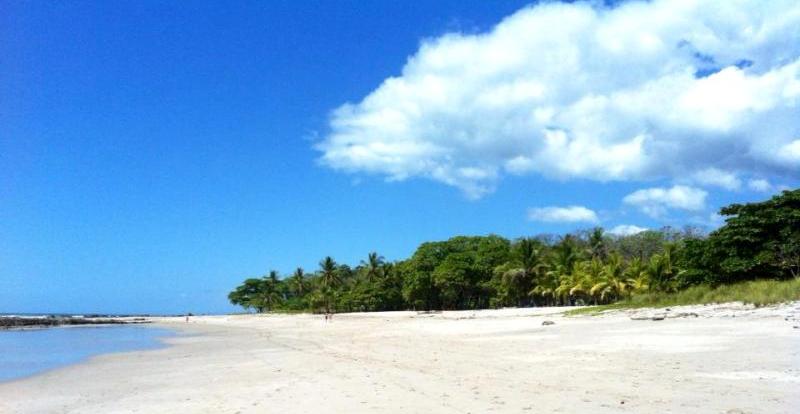
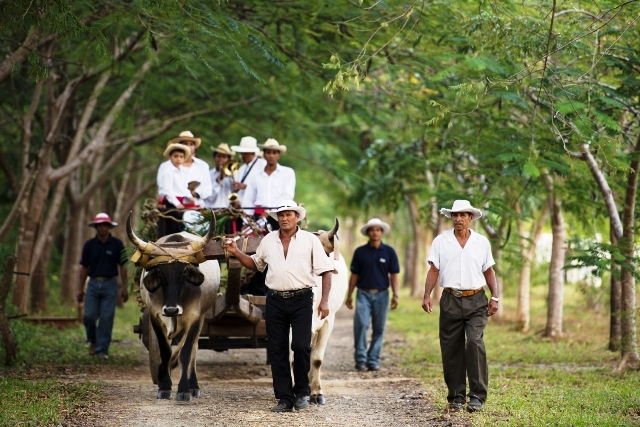
the northwest province of Costa Rica – is known for its rolling grassy plains, “Gold Coast” beaches, towering mountains and volcanoes, sunny dry climate and unique dry tropical forest. For generations “Guanacastecos,” as the residents here are called, have been dedicated to farming, cattle and horse ranching. The “sabanero” (cowboy) traditions, folklore, music and dance are deeply rooted in the country’s culture.

But Guanacaste wasn’t always a part of Costa Rica. Once belonging to Nicaragua, the province joined Costa Rica in 1824, celebrated as the Annexation of Guanacaste Day on July 25. The region’s residents are proud to be Costa Rican. Their motto is “de la patria por nuestra voluntad”, which means “part of this country by our own choice”.
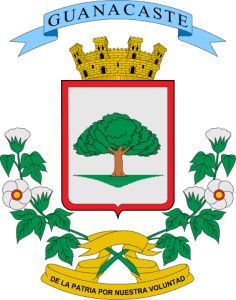
Guanacaste official seal, image by Shadowxfox via Wikimedia CommonsA brief history of Guanacaste, Costa Rica

Most of Central America, once called the Kingdom of Guatemala, belonged to Spain. In 1821, when Central America declared its independence from Spain, the area was divided into five provinces which later became republics: Guatemala, Honduras, El Salvador, Nicaragua and Costa Rica. The region of Nicoya, now called Guanacaste, was considered part of Nicaragua.

However, Nicaragua was involved in many civil wars at the time and was somewhat hostile to the Nicoyans. Costa Rica was stable politically and had a trading relationship with Nicoya. So when the Costa Rica government invited Nicoya to join their country, the Nicoyans agreed. The Central American Federation approved the annexation and on July 25, 1824, Nicoya officially united with Costa Rica.

The region officially became a Costa Rican province in 1848 and was renamed after Costa Rica’s national tree the Guanacaste. The province of Guanacaste covers 3,915 square miles with 11 counties; the capital of the province is Liberia. The Daniel Oduber International Airport in Liberia (LIR) is the principal airport for Costa Rica’s Guanacaste province.
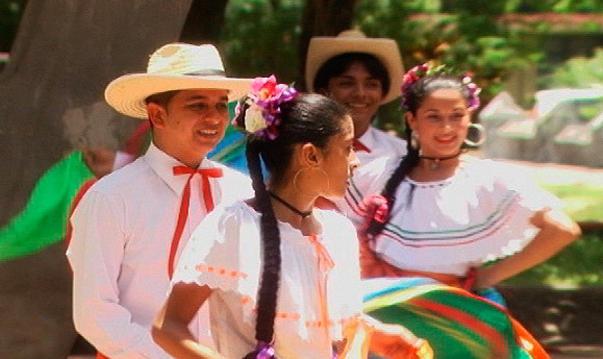
Guanacaste Day celebrations in Costa Rica

Celebrating Guanacaste Day


This year’s Guanacaste Day 2015 commemorates the 191st anniversary of the annexation. July 25 is a nationwide public holiday (banks, schools and government offices are closed).

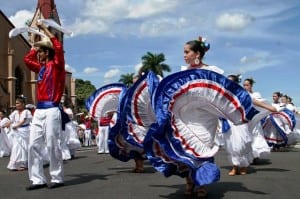
The revelry is especially big in Guanacaste and usually lasts for several days. There are parades, concerts, folk dances, cattle and horse shows, fireworks and traditional foods. Costa Rica’s national instrument, the marimba, features prominently in typical music. Bull riding and bullfights are also traditional, although the Tico style of bullfighting does not hurt the bull.
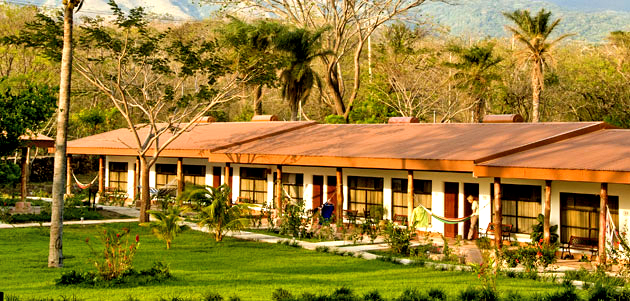
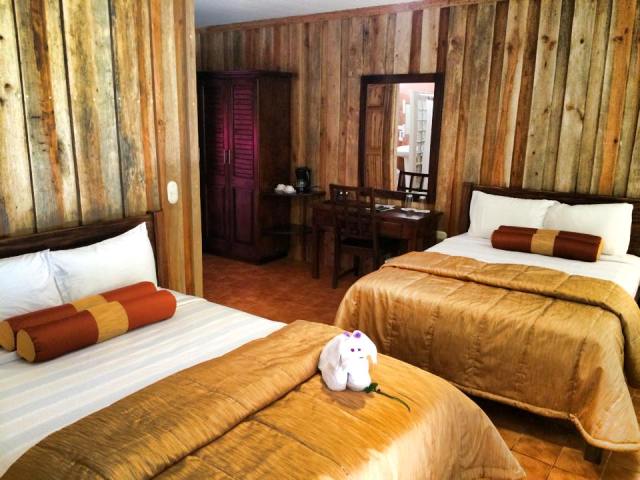
Hotel Hacienda Guachipelin rooms
Hotels in Guanacaste Costa Rica

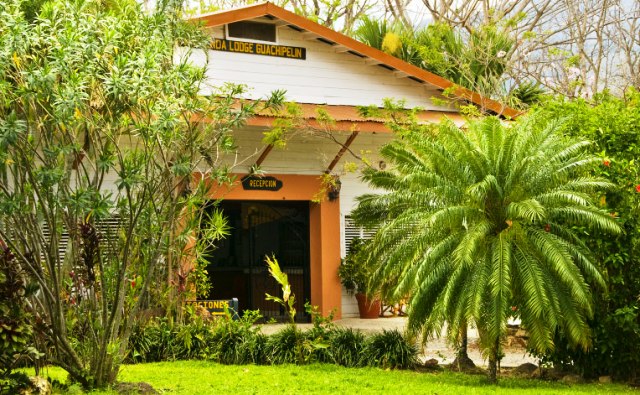
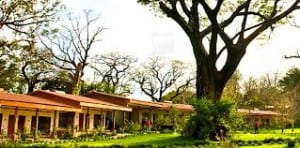
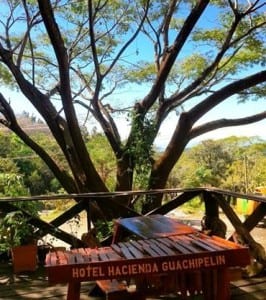
Next to the Rincón de la Vieja Volcano National Park, 13 miles from Liberia, Hotel Hacienda Guachipelin is one of the best places to stay in Guanacaste. Since 1985, the adventure eco-tourism hotel has been hosting visitors from all over the world on their horse and cattle ranch. Hotel Hacienda Guachipelin offers the best Costa Rica adventure tours, and has been awarded the TripAdvisor Certificate of Excellence.

Article by Shannon Farley

viernes, 10 de abril de 2015

Costa Rica honors national hero Juan Santamaria on April 11.

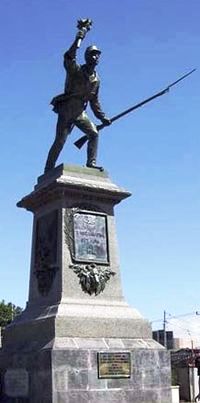
Juan Santamaria statue in Alajuela Costa RicaEver wonder who is Juan Santamaria, for whom the San Jose international airport in Costa Rica is named?

This week is a good time to find out. Costa Rica will celebrate its national holiday Juan Santamaria Day on April 11. On this day, Costa Rica celebrates this drummer boy in its national army who heroically gave his life in a decisive battle in 1856 that ensured Costa Rica remained a free country.

Juan Santamaria’s courage and the country’s national pride and freedom are feted with parades and events all over the country on this day, especially in Alajuela, where Santamaria lived and where the Juan Santamaria International Airport is located.

The history goes like this
: Costa Rica gained independence from Spain in 1821 and became completely independent from a Central American Republic in 1838. Only 18 years later, the tiny nation was threatened by a mercenary army led by U.S. filibuster, William Walker.

When civil war broke out in Nicaragua in 1854, Walker, originally from Tennessee, took advantage of the political instability to take over the government of Nicaragua and attempt to conquer the other nations in Central America. Costa Rican president Juan Rafael Mora Porras called upon his people to form an army and fight Walker and his men. Juan Santamaría (August 29, 1831 - April 11, 1856), a poor laborer from Alajuela, joined the army as a drummer boy.

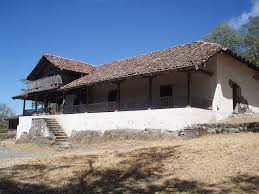
Santa Rosa La Casona national monumentAfter successfully beating a small group of Walker's soldiers at Santa Rosa, Guanacaste, the Costa Rican troops chased them north to the city of Rivas, Nicaragua, near the Costa Rica-Nicaragua border. The battle that began on April 8, 1856 is the Second Battle of Rivas. Fighting was fierce and the situation did not look good for the Costa Rican soldiers. They couldn’t flush Walker's men out of a hostel near the town center from which they commanded an advantageous firing position.

According to historic accounts, on April 11, a soldier was asked to set the hostel on fire to drive Walker’s men out. Some tried and failed; then Santamaría volunteered. He advanced with his torch, and although he was mortally wounded by enemy fire, he succeeded in setting fire to the hostel before dying. The enemy was defeated, and April 11 became a Costa Rica national holiday to commemorate Santamaría’s death and remember the major turning point for freedom.

What happened to William Walker? He ruled Nicaragua until 1857, when he was defeated by a coalition of Central American armies. He ended up being executed by the government of Honduras in 1860.

You can visit the first original battle site of Santa Rosa in Guanacaste, Costa Rica, now protected in the Santa Rosa National Park and Guanacaste Conservation Area World Heritage site.

Hotel Hacienda Guachipelin in Costa Rica

Where to stay in Guanacaste, Costa Rica


Hotel Hacienda Guachipelin, an award-winning hotel in Guanacaste, Costa Rica, is close to the Santa Rosa National Park and Rincon de la Vieja Volcano. The adventure park at Hacienda Guachipelin offers top Costa Rica adventure tours and an authentic Guanacaste, Costa Rica cultural experience on their working horse and cattle ranch.

Article by Shannon Farley

lunes, 23 de marzo de 2015

5 travel tips you need for your stay in Nosara Costa Rica

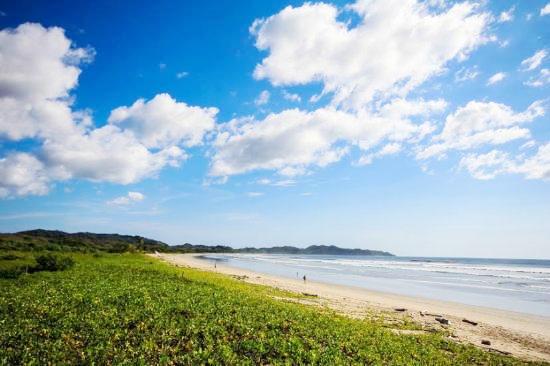
Playa Guiones, Nosara, Costa Rica

Like all travelers, when you plan a vacation to an unfamiliar location, you want to have an idea of what to expect. TripAdvisor is a great resource for getting insider information about a place from guests who have been there.

Here are 5 great travel tips for your stay in Nosara Costa Rica. from guests who stayed at L’acqua Viva Resort & Spa by Playa Guiones.

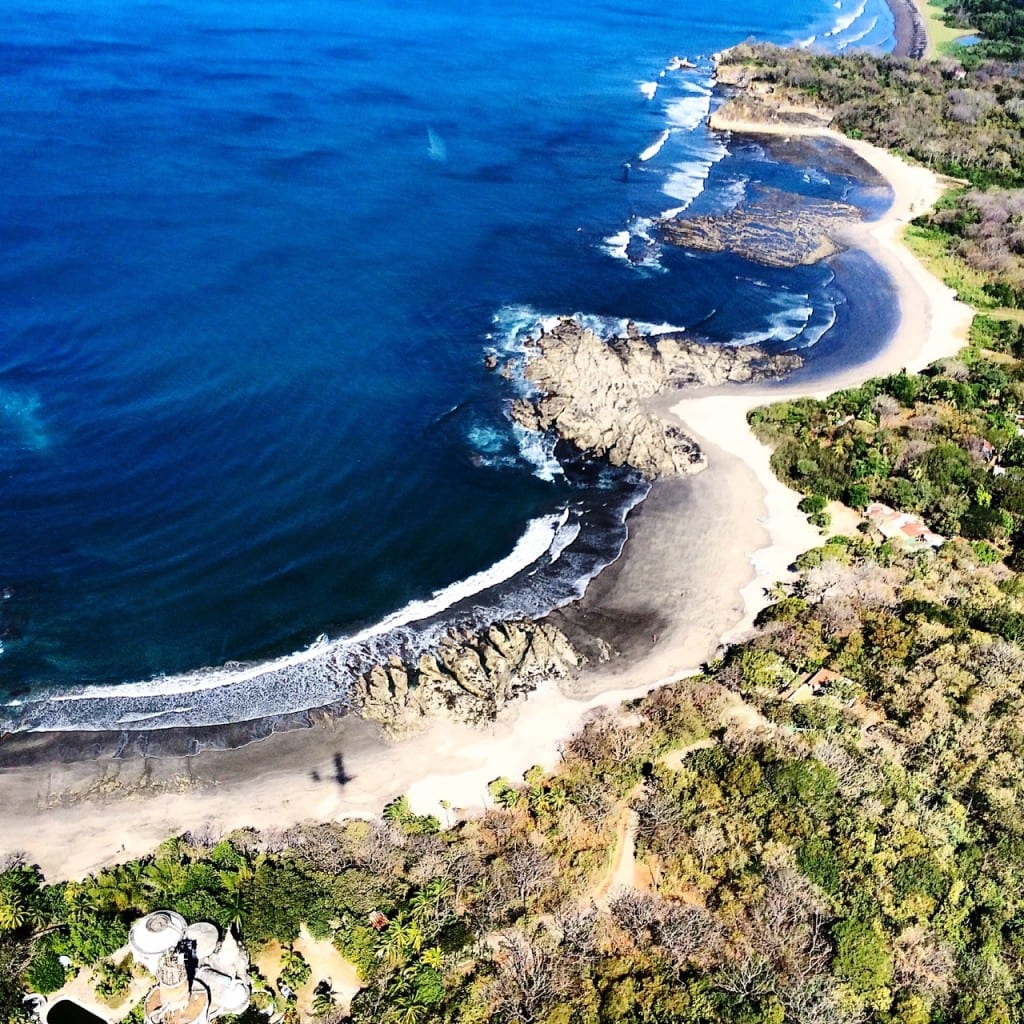
Playa Pelada, Nosara from the air

1. What’s the best way to get to Nosara, Costa Rica? Fly.
The area of Nosara includes the town of Nosara and the beaches of Playa Guiones, Playa Pelada and Playa Nosara, remotely located on the Nicoya Peninsula in the Guanacaste province of Costa Rica. Guests frequently comment about the long drive from the capital city of San Jose – about 4.5 to 5 hours. The best way to get to Nosara is a 50-minute flight on the domestic airline Nature Air from the San Jose International Airport.

2. What’s the best way to get around Nosara and its beaches?

Guests
recommend renting a car. There are lots of fun beaches and plenty of funky restaurants, juice bars, boutique shops, art galleries, yoga places, and surf and adventure tours that you’ll want to visit. All hotels and facilities are set back from the beaches according to the community’s conservation regulations. Having a rental car means you can go where you want, when you want. You can easily arrange a rental car in Playa Guiones with Toyota Rent-a-Car, Alamo Rent-a-Car, National Car Rental or Economy Car Rental. Be sure to get a 4x4.

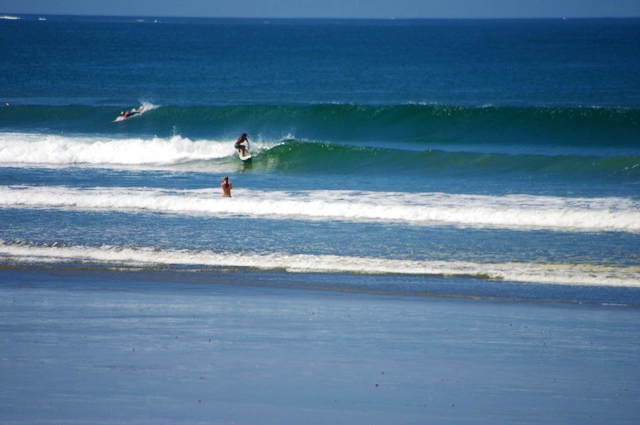
Surfing Playa Guiones, Nosara, Costa Rica

3. You have to try surfing.


Playa Guiones is renowned for some of the best surfing in Costa Rica and was recommended as a best place to go in 2014. Guests recommend it. “Surfing here is the BEST ever! Perfect for everyone … the waves work for every level of surfer. It is never too crowded because the beach is so long,” wrote guests who stayed at L’acqua Viva Resort earlier this month for Spring Break.

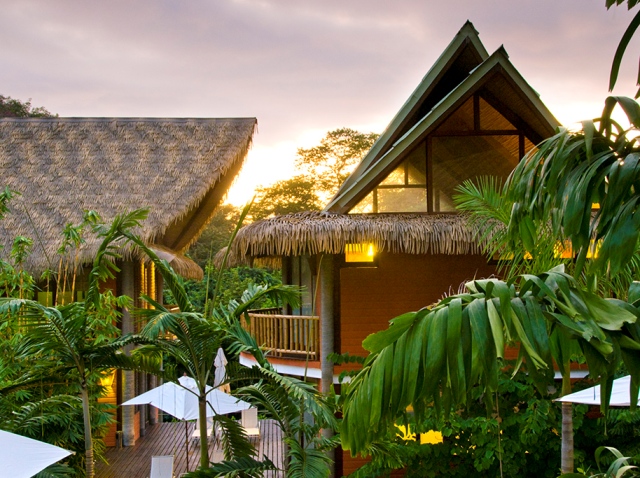
Bali style at L'acqua Viva Resort and Spa, Nosara, Costa Rica

4. Stay at L'acqua Viva Resort & Spa for its “super professional and attentive” staff.


Guests rave about the staff at the Costa Rica luxury hotel. “The staff were incredibly friendly and helpful and seem to really want to make your stay enjoyable … There were always staff around, cleaning the pools, sweeping the walkway, trimming the landscaping,” wrote one guest. “The personnel of the hotel were fantastic: would go out of their way to assist you at any time, extremely helpful and would always make you feel most welcome,” wrote another visitor.


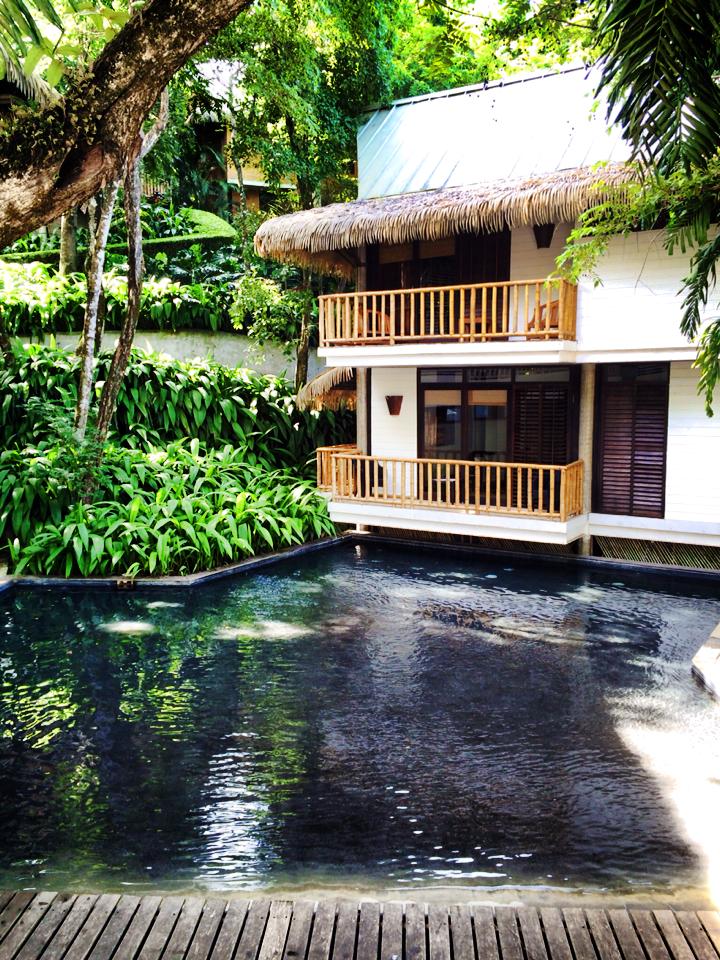
L'acqua Viva Resort & Spa Master Suite

5. What are the best rooms at
L'acqua Viva Resort & Spa?
Guests recommend the exotic Bali-style Master Suites and Villas by the pool area for the most relaxing stay in peace and quiet.

  Article by Shannon Farley  

martes, 17 de marzo de 2015

Liking it hot at Hotel Hacienda Guachipelin in Costa Rica

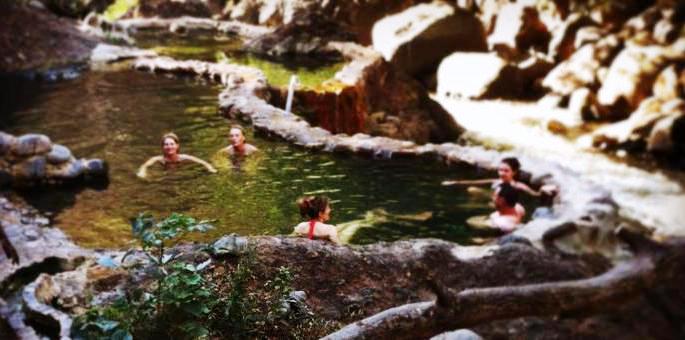
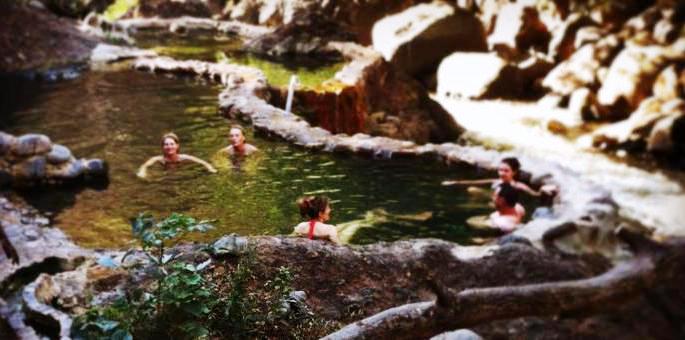
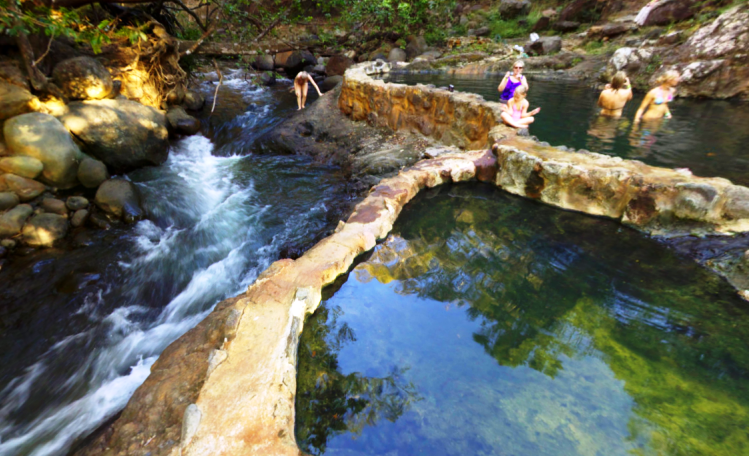
Hot springs Rio Negro Hacienda Guachipelin

After a big day of hiking, zip-lining, horseback riding or other adventure tours in Costa Rica, there is nearly nothing better than soaking in steamy thermal springs so hot they make you tingle all over. Your tired muscles are soon relaxed into spaghetti-like existence and the caresof the world melt away.

Mineral-rich hot springs have rejuvenating and Rincon de la Vieja Volcano, Costa Ricatherapeutic properties treasured for centuries by people all over the world. Travelers pay big bucks to visit famous spas with mineral springs. At adventure eco-hotel Hacienda Guachipelin at Rincón de la Vieja Volcano in Costa Rica, you can visit natural volcanic hot springs for free if you’re a hotel guest.

The hot springs are one of the things most talked about by visitors to Hotel Hacienda Guachipelin. “We enjoyed the hot springs, hiked to the waterfalls and were impressed by the surrounding nature,” wrote one guest on Hacienda Guachipelin’s TripAdvisor page. “We also visited the hot springs one morning – the hot springs were wonderful – we sat in pools on both sides of the river,” commented another guest.

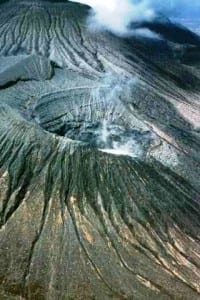
Sitting on the Pacific Ring of Fire – infamous for its profuse volcanic activity – Costa Rica has more than 200 volcanic formations. The massive 600,000-year-old Rincón de la Vieja Volcano is the largest volcano in northwest Guanacaste, Costa Rica. In and around the Rincón de la Vieja National Park, there are fumaroles, steam vents, bubbling volcanic mud pits, thermal springs and waterfalls.

Located very near the Las Pailas entrance to the national park, Hotel Hacienda Guachipelin has developed the hot springs at Rio Negro (“Black River”) with pools, trails, changing rooms, restrooms and lockers. The eco-hotel offers tours to the hot springs either by a fun horseback ride or by vehicle. Entrance is complimentary for hotel guests, or costs $15 for day visitors.

Hot springs Hacienda Guachipelin

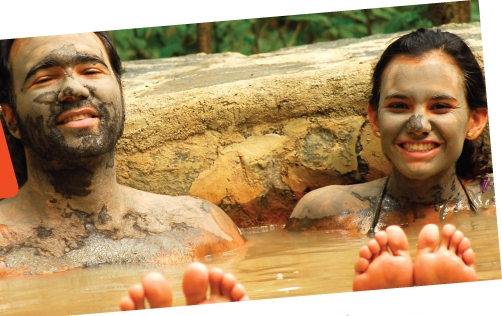
Surrounded by unique tropical dry forest, Rio Negro flows through seven man-made pools filled with steaming mineral-rich volcanic waters. Heated volcanic mud is available to smooth over your body like a spa “masque,” and after it dries, wash it off with cold river water before jumping back in the hot pools.
Hot spring mud baths at Hacienda Guachipelin

Only 13 miles from Liberia, Hotel Hacienda Guachipelin is one of the best places to stay in Guanacaste. The adventure park at Hacienda Guachipelin offers the best Costa Rica adventure tours; go for the One Day Adventure Pass to get the most value.

Article by Shannon Farley
lunes, 16 de febrero de 2015

Don't miss the marimba music in Guanacaste Costa Rica

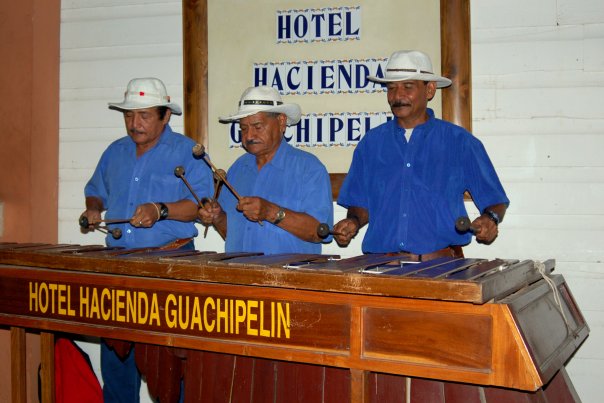
Hacienda Guachipelin marimba music live 

Article by Shannon Farley

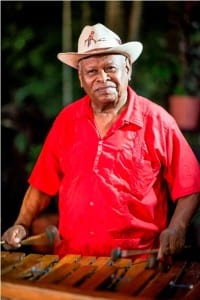
You can’t visit Guanacaste, Costa Rica without listening at least once to the distinct resonant sounds of a traditional marimba. Hacienda Guachipelin marimba player Don Justo
Considered a symbol of culture and tradition, especially in the province of Guanacaste, the marimba was declared the national musical instrument of Costa Rica by President José María Figueres in 1996.

At award-winning eco-hotel Hacienda Guachipelin in Guanacaste, Costa Rica, you can listen to colorful marimba music every night. The living legend of Justo Pastor Sanchez Castillo – known affectionately to all at Hacienda Guachipelin as “Don Justo”makes magic with his music on the marimba in the hotel’s La Hacienda Restaurant and bar every night during dinner.

The marimba is a percussion instrument consisting of a set of wooden bars, arranged like those of a piano, which when struck with mallets produce musical tones. Resonators (tubes, usually of aluminum) that hang below the bars amplify their sound with vibration. In Central America and Mexico, a hole is often carved into the bottom of each resonator and then covered with a delicate membrane made with pig intestine to Hacienda Guachipelin marimbaadd a characteristic “buzzing” or “rattling” sound known as charleo. Marimba players often simultaneously use between two and four mallets in each hand, and often play with one or two other persons for more complicated songs.
The marimba was developed in Guatemala centuries ago, based on a type of xylophone from African slaves; the marimba is also the official national instrument of Guatemala. The historical musical instrument was brought to Costa Rica from Guatemala in colonial times by Franciscan priests, and became the traditional music of Guanacaste.

You can experience the traditions of Guanacaste at Hotel Hacienda Guachipelin, located at the base of the Rincon de la Vieja Volcano. Considered one of the best places to stay in Guanacaste Costa Rica , the eco-tourism hotel is a working horse and cattle ranch and offers top adventure tours in Costa Rica. Hacienda Guachipelin received the TripAdvisor Certificate of Excellence for 2014.

miércoles, 14 de enero de 2015

"Fiestas Bravas" in Costa Rica

fiestas bravasGuanacaste’s celebrations are coming up, exciting dates for this side of the country; full of traditional activities, typical music and folklore dancing.
Up coming for the week of January 15th we have lots of festivities in Santa Cruz, typical Costa Rican rural town, where people gather to celebrate with typical music, folkloric dancing and bullfighting to honor the Black Christ of Esquipulas.

Since 1926 it’s celebrated in commemoration of their catholic religion when Christ suffered before being crucified.

festivities in Santa CruzIn the corners of the main streets of Santa Cruz marimbas are located to brighten the atmosphere; while the bullfights are held where many people come to a roundabout on the main square to challenge the bulls.

During the week they also celebrate the famous horsemen activity “tope” where hundreds of people from all over the country come with their horses and typical costumes to the main streets of the city and parade. During this activity many tourists rent horses and participate in the festival.

Dancing in the park to the sound of marimba music is another traditional activity, among local meals prepared as part of the celebration including the “rosquillas”, sweet “tamal” and coyol wine.

Santa Cruz is a beautiful town filled with friendly and openhearted people who are always open to help tourists when needed. The town is also close to some of the most popular beaches in Costa Rica, which they have buses travelling back and forth almost each hour.

Between the last week of February and early March the Fiestas Cívicas of Liberia are held where folklore and traditions are celebrated with music, rides and concerts throughout Liberia.

The city of Liberia is located on the plains of the province of Guanacaste. It has a warm but dry climate characteristic of the area. Its name comes from the Latin "liber" meaning free and independent.

Hotel Hacienda Guachipelín.At just 13 miles away from Liberia and 72 from Santa Cruz, in the surroundings of the Rincon de la Vieja Volcano, Hotel Hacienda Guachipelin is one of the best places to stay in Guanacaste, Costa Rica. Now for these celebration dates, you can also enjoy great Costa Rica travel deals at Hotel Hacienda Guachipelin and enjoy Guanacaste’s festivities.

Costa Rica's love for “fiesta” is contagious; taste the food, make friends, enjoy traditions and party with the ticos are musts you can’t miss during these dates in Guanacaste, activities you can enjoy at Hotel Hacienda Guachipelin.

By Maria Laura Charles

viernes, 26 de diciembre de 2014

Costa Rica hotel Hacienda Guachipelin presents new rooms for Christmas

New rooms at Hacienda Guachipelin 2014

Just in time for Christmas, travelers to Rincon de la Vieja Volcano in Guanacaste, Costa Rica, can enjoy charming new guest rooms at award-winning eco-hotel Hacienda Guachipelin. At the base of the Rincon de la Vieja Volcano, Hotel Hacienda Guachipelin is one of the best places to stay in Guanacaste. The eco-tourism hotel is a working horse and cattle ranch and has a fantastic adventure park. They were awarded the TripAdvisor Certificate of Excellence for 2014.

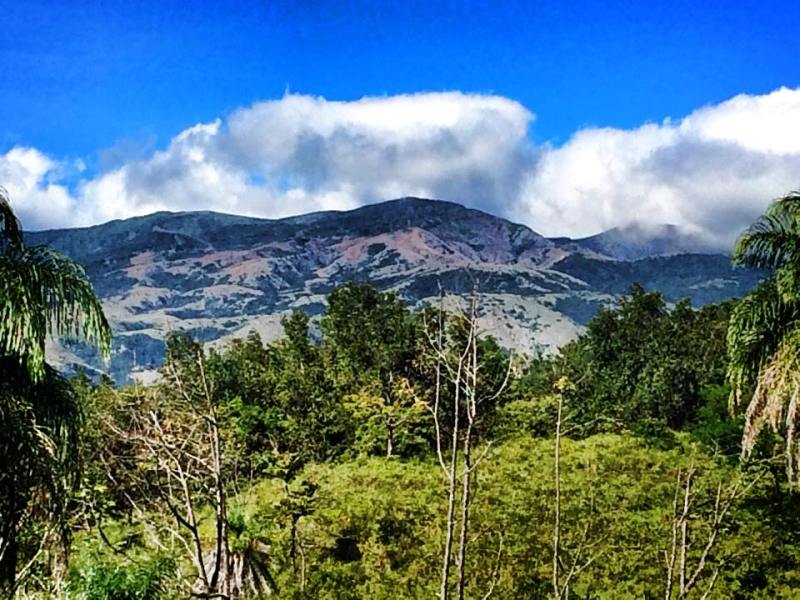
Guanacaste Mountain Range at Hacienda Guachipelin Hotel 

The spacious new Superior rooms have beautiful views. Ten new rooms are equipped with two queen beds or one king-size bed, Wi-Fi, TV, phone, safe box, fan and air-conditioning. Two of the rooms are specially equipped for disabled travelers.

“I love the typical authentic flavor of this traditional Costa Rican hacienda located at the active volcano and national park of Rincon de la Vieja,” commented Daniel Chavarria, founder of Enchanting Hotels Costa Rica.

New rooms at Hacienda Guachipelin 2014

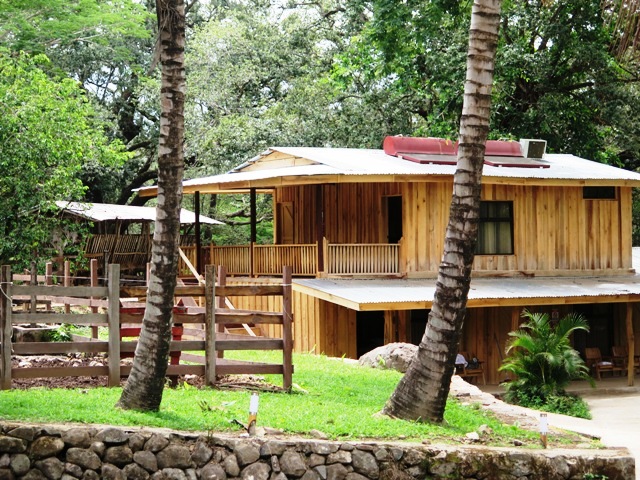
Hotel Hacienda Guachipelin offers comfortable ranch-style rooms and suites with views of the volcano and the Hacienda. Wide and inviting verandas welcome you to relax and meet fellow travelers. A sumptuous breakfast buffet and entrance to the hotel’s natural volcanic hot springs are included for all guests at Hacienda Guachipelin.

The adventure park at Hacienda Guachipelin offers the best things to do in Guanacaste, Costa Rica, including horseback riding, hiking in the Rincon de la Vieja National Park, river tubing, natural hot springs and volcanic mud baths, waterfall rappelling, hikes to waterfalls, and the very unique Canyon Canopy Tour.

Hot springs Rio Negro Hacienda Guachipelin

Article by Shannon Farley

martes, 14 de octubre de 2014

Phoenix rising: How Costa Rica’s tropical dry forest was saved

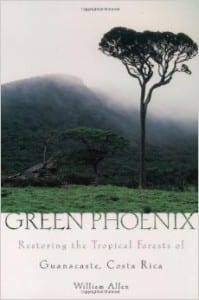
Green Phoenix book by William AllenThe northwestern province of Guanacaste in Costa Rica has one of the largest dry tropical forest areas in the Americas. Dry tropical forests are unique with many deciduous broad-leaf trees and vegetation that survive with much less water than a tropical rainforest. It endures a dry season lasting approximately eight months, yet is still home to a splendid diversity of plants, trees and wildlife.

The book Green Phoenix: Restoring the Tropical Forests of Guanacaste, Costa Rica, by William Allen (2003), tells the compelling story about how this forest was nearly destroyed and against all odds has been restored to magnificence.

By the 1980s, the Guanacaste forests were nearly erased in order to create pastureland for cattle. Besides cutting the forest, a highly-invasive African grass called Jaragua (Hyparrhenia rufa) was planted to feed the cattle. The highly-flammable grass then invaded local vegetation and became explosive tinder for fires in the dry season.

 By the time Allen’s gripping environmental story begins, in many places, only a few strands of forest were strung across a charred landscape.
Jaragua grass in Guanacaste Costa RicaDespite the widely held belief that tropical forests, once lost, are lost forever, prominent U.S. entomologist and tropical biologist Dr. Daniel Janzen from the University of Pennsylvania, along with his biologist wife Dr. Winnie Hallwachs and Costa Rican volunteers, set out to save the tropical forests of Guanacaste in the 1980s.
Janzen and the “fathers” of the Costa Rica National Parks System, Mario Boza and Alvaro Ugalde, along with former Costa Rican President Oscar Arias and U.S. contributorslike The Nature Conservancy and the World Wildlife Fund, bought huge ranches at reduced prices to create the Guanacaste Conservation Area and massively expand the Santa Rosa National Park. Beginning with only 39 square miles, by the year 2000, they had pieced together 463 square miles of land and another 290 square miles of marine area.
Today, the Guanacaste Conservation Area is a fabulously rich landscape of dry forest, cloud forest, and rainforest that gives life to approximately 235,000 species of plants and animals. The Guanacaste Dry Forest Conservation Fund (GDFCF) aids with the development, protection and sustainability of the Guanacaste Conservation Area (ACG).
Allen’s inspiring book recounts with vivid power the story of one of the greatest environmental successes of modern times of how extensive devastation can be halted and reversed.
Santa Teresa Costa Rica

D
iscover the uniqueness of the Costa Rica tropical dry forest
Pranamar Oceanfront Villas, Costa RicaIn Santa Teresa, Costa Rica, you can see beautiful tropical dry forest and also transitional rainforest. Located on the southern Costa Rica Nicoya Peninsula below the Guanacaste Province, Santa Teresa is known for its beautiful beaches, world-class surf and spectacular sunsets.
The Costa Rica beach resort Pranamar Oceanfront Villas & Yoga Retreat looks out to the blue Pacific Ocean, palm trees and white sand of Santa Teresa Beach. Stay in elaborate Bali-style oceanfront villas and bungalows amid tropical gardens by a gorgeous river-theme swimming pool. The beachfront Santa Teresa hotel offers daily yoga classes, international yoga retreats, and Costa Rica surf holidays.
Article by Shannon Farley
miércoles, 10 de septiembre de 2014

Celebrate Costa Rica Independence Day 2014 in Guanacaste

Independence Day parade Costa RicaParades, lantern ceremonies, traditional music and dancing will take place all over Costa Rica this weekend to mark the day that Costa Rica and four other Central American nations gained their independence from Spain.

Costa Rica, Nicaragua, Guatemala, El Salvador and Honduras are all celebrating 193 years of independence from Spain on Sept. 15. On this day in 1821, a Central American congress signed “The Act of Independence” asserting they were free of the Spanish Empire.

Unlike other independence declarations in the Americas, the Central American states did not have to fight for their liberation. Spain actually supported Central American independence because the region had become a burden for the empire, which was exhausted from other wars.

Independence Day Costa Rica mapAlthough Sept. 15 is the day when independence was declared, news of Costa Rica’s new freedom did not reach the territory until almost a month later on Oct. 13, because a messenger had to travel on horseback from Guatemala. Costa Rica finally became a completely independent state in 1838, when it separated from the Central American republic.

For the Mes de la Patria, or “Month of the Nation,” buildings, businesses and even cars are adorned with blue, white and red Costa Rican flags, streamers and decorations throughout September. Monday, Sept. 15, is a national holiday and businesses, banks and government institutions will be closed.

Liberia, the capital city of Guanacaste, Costa Rica, traditionally celebrates Independence Day with colorful events.
Independence Day lantern ceremonyOn Sunday, Sept. 14, the patriotic party begins at precisely 6:00 p.m. with the Costa Rica National Anthem broadcast nationally on TV and radio. Then comes the traditional nighttime lantern parade (Desfiles de Faroles) reenacting the “freedom torch” that notified Costa Rica of its freedom. Children carrying colorful homemade paper lanterns in the shape of little houses and other objects will parade with their families in town squares. There are usually also typical dances and fireworks.

Monday morning, Sept. 15, school bands and dancers in traditional costumes march through the town streets. Traditional foods are usually sold by street vendors. The celebrations are well-attended by families and are a lot of fun.

Hotel Hacienda GuachipelinOne of the best places to stay in Guanacaste near Liberia is Hotel Hacienda Guachipelin. In the foothills of the Rincon de la Vieja Volcano, the adventure eco-tourism hotel is also a working horse and cattle ranch. Now in green season, you can enjoy great Costa Rica travel deals at Hotel Hacienda Guachipelin.

Article by Shannon Farley
sábado, 30 de agosto de 2014

Rincon de la Vieja National Park waterfalls show off in Costa Rica green season

Green season in Guanacaste, Costa Rica is when the waterfalls at Rincon de la Vieja Volcano really show off.
Near Rincon de la Vieja hotel Hacienda Guachipelin, four waterfalls flow, and all of them have pools where you can swim. Getting to the waterfalls is an adventure on its own – either by hiking or horseback riding. The Hacienda Guachipelin Adventure Center organizes waterfall tours, which last usually two to three hours and are available between 7:00 a.m. and 2:00 p.m.
Waterfall Victoria at Rincon de la Vieja

Victoria Waterfall
The 115-foot (35-meter) Victoria Waterfall on the Rio Negro (Black River) is where the river tubing trips start their adventure downriver. The surrounding canyon has unique vegetation and topography, and you can swim in the pool at the waterfall’s base.
How to get there: A 45-minute each-way horseback ride on a scenic trail, and a short, steep descent to the waterfall; or a one hour each-way scenic hike on the same trail.
Waterfall Chorreras at Rincon de la Vieja

Chorreras Waterfall
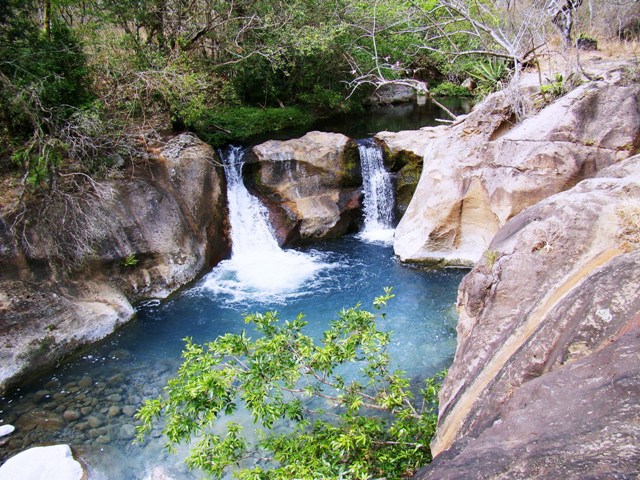
Two waterfalls cascade into a beautiful sky blue mineral water pool in this amphitheater canyon at Chorreras Waterfall – the closest to Hacienda Guachipelin. It is an excellent place for a cooling swim, or just to enjoy the beautiful surroundings.
How to get there: A 25-minute each-way horseback ride on a scenic trail, and short walk to the waterfall; or a 45-minute each-way scenic hike on the same trail.
Waterfall Oropendula at Rincon de la Vieja

Oropéndola Waterfall
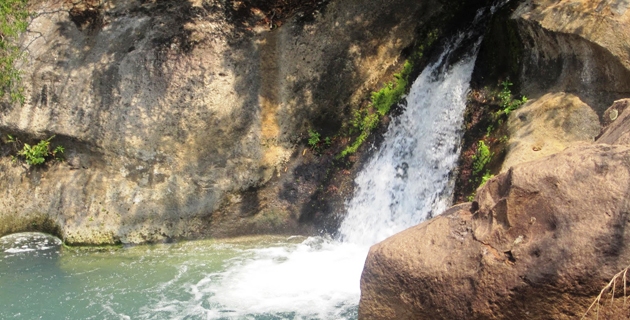
Located near the Las Pailas entrance to the Rincon de la Vieja National Park, the Oropéndola Waterfall plunges an impressive 82 feet (25 meters) in a beautiful canyon of the Rio Blanco (White River). The sparkling turquoise pool below makes for a refreshing swim.
How to get there: A 45-minute each-way horseback ride on a scenic trail, and short walk to the waterfall; or a 1.5 hour each-way scenic hike; or a 15-minute drive and short walk.
Waterfall Cangreja at Rincon de la Vieja

Cangreja (Crab) Waterfall
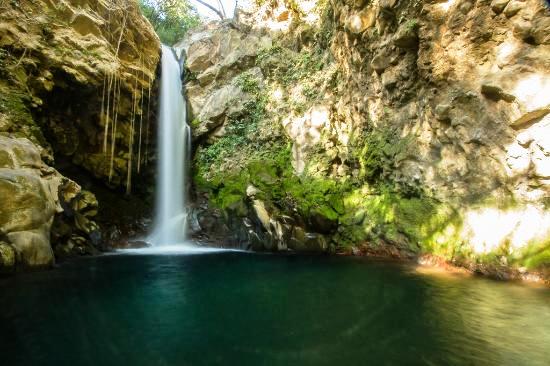
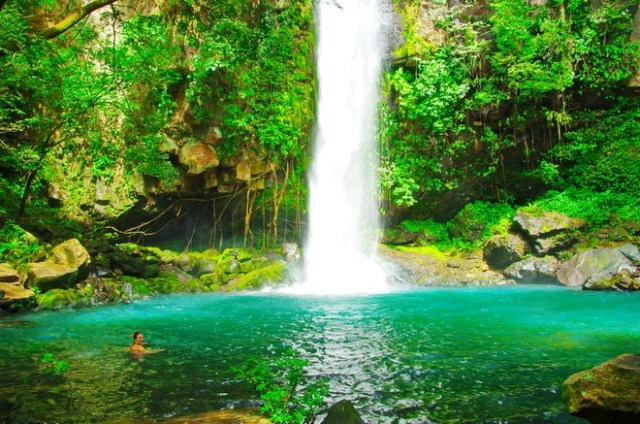
The Cangreja Waterfall is located inside the Rincon de la Vieja National Park forest. Spilling 130 feet (40 meters) in a white ribbon of water out of the green forest, the waterfall forms a celestial blue pool at its base; its color comes from dissolved copper minerals from the volcano. The only way to get to this waterfall is by hiking 3 miles (5 km) into the national park.
How to get there: 15-minute drive to the national park entrance and then hiking.
Green season is the best time to visit Rincon de la Vieja (May to November), when the volcano’s fumaroles and boiling mud pots are most active. In green season, you can enjoy great Costa Rica travel deals at Hotel Hacienda Guachipelin, a TripAdvisor Certificate of Excellence 2014 winner. Hacienda Guachipelin has the best Guanacaste Costa Rica adventure tours, and afterward, you can enjoy a warm volcanic mud bath and soak in the hotel’s natural hot springs.

Article by Shannon Farley
lunes, 27 de enero de 2014

Costa Rica is popular endurance race capital in Latin America

Xterra Costa Rica 2014Costa Rica over the past decade has become a magnet for high-endurance extreme sports, adventure racing and triathlons. Elite international athletes travel to the small Central American nation several times a year for sport competitions.

One of the most popular zones for extreme endurance events is the north Pacific Guanacaste region. In early March 2014, the International Triathlon Union (ITU) will hold the 2014 Pan American Cup at Playa Hermosa in Guanacaste. Also in March, the XTERRA off-road triathlon race comes to Costa Rica, staging their major international competition March 29 and 30 at Playa Conchal in Guanacaste. Costa Rica’s top triathlete Leonardo Chacon took first place at the XTERRA USA competition last year in Hawaii.

Last year was a big year for endurance adventure races in Costa Rica – among them the 2013 Rincon de la Vieja Challenge logoAdventure Racing World Championships, the North Face Endurance Challenge at Rincón de la Vieja Volcano in Guanacaste, and the Rincón de la Vieja Challenge mountain biking endurance race.

Rincon de la Vieja Challenge adventure raceThe second annual Rincón de la Vieja Challenge will happen on Aug. 23. Held last year for the first time, the 100-mile (160 km) adventure race was the first of its kind in Costa Rica and Latin America to circumnavigate an active volcano.

The North Face Endurance Challenge and the Rincón de la Vieja Challenge were both staged out of leading Rincón de la Vieja eco-lodge, Hacienda Guachipelin. Owner Jose TomasBatalla says it is the region’s diverse terrain and microclimates that attract such high-profile sports competitions.

“There is savannah, tropical forest, desert, and cloud forest, and the weather changes as you go up in elevation,” commented Batalla.
Have your own adventure at Rincón de la Vieja at Hacienda Guachipelin eco-lodge. 

The first-class lodge, right next to the Rincón de la Vieja Volcano National Park, offers guests and visitors a complete adventure center with canopy ziplines, canyoning, waterfall rappelling, river tubing, horseback riding, mountain biking, nature trails, and natural volcanic hot springs. Hotel Hacienda Guachipelín is located 15.5 miles (25 km) northeast of Guanacaste’s principal city of Liberia.
Article by Shannon Farley
    martes, 29 de octubre de 2013

    World's best endurance athletes to compete Nov 29 - Dec 12

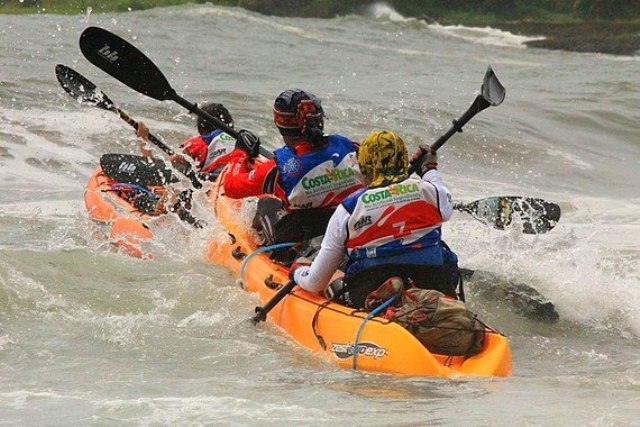
    Adventure Race World Championships event kayaking, Costa RicaImagine this Costa Rica vacation: Traverse the entire country from coast to coast and north to south, but only using mountain bikes, kayaks, rafts, zipline cables, and your feet. Sleep under the stars wherever you may be – mud, sand, grass field, rocky stream bed – but only for a few hours at a time. 

    Brave the thrills of mosquitoes, venomous snakes, crocodiles, rain, boiling sun, and sweltering rainforest. Do that for about six days straight with three of your friends, but with the added adrenaline surge of trying to outrace 64 other groups like you all trying to get to the same final destination first.

    Sound like fun? Maybe not for the average person, but if you are one of the world's best endurance athletes, it's right up your alley … or trail, as it were.

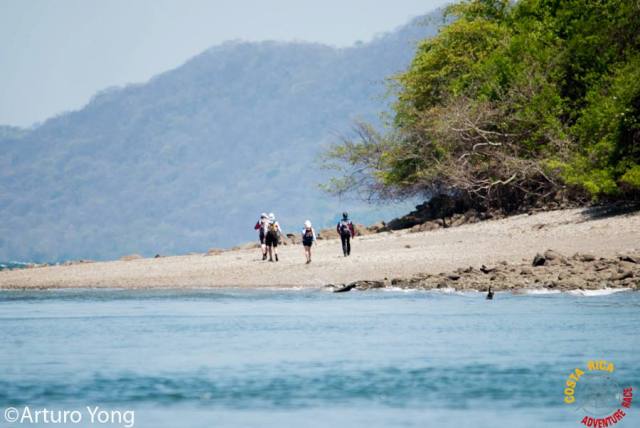
    Adventure Race event beach treks, image by Arturo YongThis unforgettable Costa Rica "vacation" is actually the 2013 Adventure Race World Championships (ARWC), happening in the country from Nov. 29 to Dec. 12. Sixty-five teams from 26 countries will compete for more or less 140 hours non-stop on adventure challenges, covering over 700 km from the Pacific Ocean to the Caribbean Sea and across Costa Rica border-to-border from Nicaragua to Panama. Teams of four competitors will raft, kayak (ocean and river), mountain bike, trek, climb and rappel, and cross canopy ziplines over a wide variety of terrain.

     Race organizers estimate that it will take the winning team approximately 120 hours in five to six days to finish. The race will be open a total of nine days (216 hours).

    The epic adventure is the fourth Adventure Race Costa Rica (ARCR), which joined the Adventure Race World Series (ARWS) in 2010. The AR World Series is an international circuit of premier adventure races that since 2001 culminate every year in the AR World Championships. To get to the ARWC, teams have competed all year long in eight adventure races in different countries, leading up to the finals in Costa Rica.

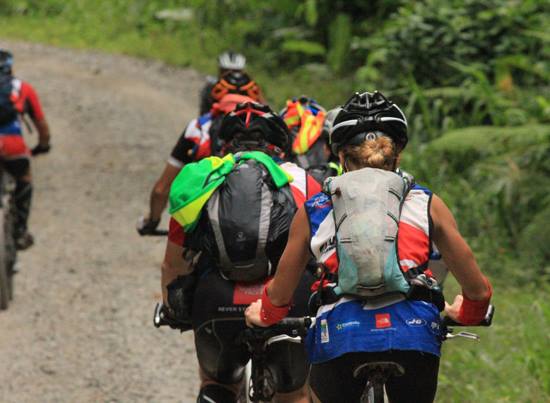
    Adventure Race event mountain biking, Costa RicaCosta Rica is known for its beautiful beaches and rainforests, and is also gaining international fame for extreme sports. Hundreds of the world's best mountain bikers and endurance racers recently crossed 192 miles (310 km) from Costa Rica's Pacific Coast to the Caribbean in three days in the "La Ruta de los Conquistadores" (The Route of the Conquistadors) endurance mountain bike race. Held Oct. 24-26, the race just celebrated its 20th anniversary.

    In June of this year, Hotel Hacienda Guachipelín, at the Rincón de la Vieja Volcano in Costa Rica's northern Guanacaste region, hosted the international North Face Endurance Challenge. Competitors ran 80k, 50k, 21k and 10k races over rugged ground at the volcano. The eco-hotel then staged the 100-mile (160 km) Rincón de la Vieja Challenge mountain bike race in August. The adventure race was the first of its kind in Costa Rica and Latin America to circumnavigate an active volcano.

    Not an endurance athlete, but still looking for an adventure vacation in Costa Rica? Hacienda Guachipelín, a first-class eco-lodge, is a prime destination for adventure and nature lovers – offering canopy ziplines, canyoning, waterfall rappelling, river tubing, horseback riding, mountain biking, nature trails, and thermal springs – all on a working horse and cattle ranch. Hotel Hacienda Guachipelín is located 15.5 miles (25 km) northeast of Guanacaste's principal city of Liberia.

    Article by Shannon Farley

    martes, 30 de julio de 2013

    Disfrute las Aguas Termales de la Hacienda Guachipilín

    Desde épocas ancestrales, las civilizaciones antiguas aprendieron acerca de los beneficios de las aguas termales. Siglos más tarde, algunos de estos sitios se transformaron en balnearios. En la actualidad también es fácil encontrarlos en sitios como playas, colinas o zonas sin fuentes naturales.
    No obstante, aquellos que emplean al ambiente como fuente de relajación son más beneficiosos que los demás. Un chapuzón en las fuentes de agua caliente posee muchas ventajas para la salud. Ahora bien, es lógico pensar: «¿cómo puede ser distinto un baño en aguas termales que otro en una tina casera?». La diferencia radica en:
    • Las primeras contienen minerales como azufre, dióxido de carbono y calcio, entre otros.
    • Estos elementos trabajan con el sistema inmunológico, lo que ayuda en la curación del cuerpo.
    • Dichas sustancias facilitan la relajación del cuerpo a través de la producción de endorfinas.
    • Los iones negativos presentes en las aguas termales ayudan a mejorar la salud psicológica y física del cuerpo.
    • Se ha comprobado científicamente que dichas sustancias poseen un efecto notable en la rápida cicatrización de las heridas. Solo el azufre cura malestares como dermatitis, psoriasis e infecciones micóticas.
    Eso sí, tenga presente que existen algunas medidas que debe tomar antes de visitar un balneario. En primer término, confirme con su médico que tiene la condición física necesaria. Si tiene dudas al respecto, limite sus inmersiones a pequeños periodos con una duración de entre 10 y 15 minutos.
    Esté atento de su situación dentro del agua. Si se siente incómodo en cualquier momento, salga del agua inmediatamente. Además, considere que mientras esté en las aguas termales debe beber mucho líquido para que no se deshidrate. Por último, lo mejor es visitar un lugar de trayectoria reconocida. En el caso de Costa Rica, lo mejor es darse una vuelta por el hotel Hacienda Guachipelín.

    Ubicado cerca del Parque Nacional Rincón de la Vieja, es una zona volcánica reconocida nacionalmente por la energía que emana de la Tierra. Esta se aprovecha tanto en proyectos geotérmicos como en turismo por sus manantiales naturales.

    100-mile mountain bike challenge set for Rincon de la Vieja, Costa Rica

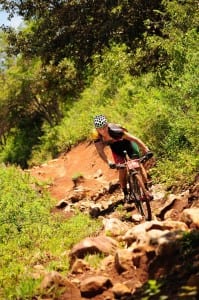
    Mountain biking Rincon de la Vieja, Costa RicaMountain bikers around the world: There's a new adventure race happening in August in Costa Rica – the 100-mile Rincón de la Vieja Challenge.

    The mountain bike endurance race is set for Aug. 24, 2013, starting off from Hotel Hacienda Guachipelin at Rincón de la Vieja Volcano in Guanacaste. The 100-mile race is the first of its kind in Costa Rica and Latin America, and according to race promoters, is the only race in the world to circumnavigate an active volcano.
    Located in Costa Rica's northern Pacific province of Guanacaste, Rincón de la Vieja is the largest volcano in the country's northwest region. Standing 6,286 feet tall, its caldera is 9 miles (15 km) wide. The active Rincón de la Vieja Volcano is considered a mystical and sacred place by the ancient Curubandé tribe; the volcano and its national park were declared a UNESCO World Heritage site in 1999.

    Terrain around Rincon de la Vieja Volcano is ruggedRiders from around the world will test their skill and stamina riding 100 miles (160 km) through five microclimates – from Guanacaste's arid plains up over the Continental Divide to lush cloud forests, across rivers, around smoldering cinder ash of the Rincón de la Vieja Volcano to where it meets the Miravalles Volcano.
    The unique mountain bike race will cover varied terrain – gravel roads, red clay roads, river and volcanic rock trails, single track, and smooth white calcium rock road – with a total elevation gain of 10,862 feet (3,311 meters).

    North Face Endurance Challenge 2013, Costa RicaCosta Rica is gaining international popularity for endurance sports and competitions. Hotel Hacienda Guachipelin at Rincón de la Vieja recently hosted the international North Face Endurance Challenge on June 22, involving 80k, 50k, 21k and 10k rugged adventure runs near the volcano.
    Costa Rica also has been chosen to host this year's Adventure Racing World Championships 2013, where teams from around the world will compete non-stop for 140 hours on adventure challenges. The race, from Nov. 29 to Dec. 12, will run coast-to-coast from the Pacific to the Caribbean and border-to-border across Costa Rica from Nicaragua to Panama. Adventure sports include: trekking/running, mountain biking, abseiling, canyoning, ocean and river kayaking, rafting, and coasteering.

    Ruta de los Conquistadores mountain bike race, Costa RicaOf course, you can't talk about mountain biking in Costa Rica without mentioning the "grandfather" of all Costa Rican mountain biking races -- "La Ruta de los Conquistadores" (The Route of the Conquistadors). Costa Rica's premier mountain bike race is also one of the most challenging adventure races on Earth. Hundreds of top mountain bikers and endurance racers from around the world travel yearly to Costa Rica to cross the country's most rugged terrain. The route crosses from the Pacific to the Caribbean in only three days. This year's event from Oct. 24 to 26 celebrates the race's 20-year anniversary.

    Organizers of the Rincón de la Vieja Challenge chose the location for its diverse terrain and varied climate. Adventure ecotourism Hotel Hacienda Guachipelin will host the event's headquarters. Reservations and booking for the event can be arranged by contacting the hotel at 506-2666-8075 or emailing reservations@guachipelin.com.

    Hotel Hacienda Guachipelin Where to stay at Rincon de la Vieja, Costa Rica
    Hacienda Guachipelín Hotel is the place to stay at Rincón de la Vieja Volcano for an active vacation. Located 15.5 miles (25 km) northeast of Guanacaste's capital city of Liberia, the first-class ecotourism lodge is ideal for adventure and nature lovers. Activities include canopy zip lines, canyoning, waterfall rappelling, river tubing, horseback riding, mountain biking, nature trails, and thermal springs – all on a working horse and cattle ranch.

    By Shannon Farley