Mostrando entradas con la etiqueta bird-watching costa rica. Mostrar todas las entradas

martes, 2 de diciembre de 2014

Great Green Macaws return to northern Costa Rica Eco Lodge


One of the most magnificent birds in Costa Rica is the Great Green Macaw.
This time of year, from October through December, Great Green Macaws (Ara ambiguus) return to the Maquenque Wildlife Refuge, Costa RicaMaquenque National Wildlife Refuge in northern Costa Rica from the Indio Maiz Biological Reserve in Nicaragua. Following their main food source of mountain almond tree fruits that are now in season, the Macaws return to this vital habitat of rainforest and wetlands in Costa Rica.
The Maquenque National Wildlife Refuge preserves nearly 150,000 acres that contain mountain almond trees (Dipteryx panamensis) which endangered Great Green Macaws use for food and nesting. Formed in June 2005, the refuge is one of the biggest habitats for Great Green Macaws in Costa Rica, and is an important part of the Mesoamerican Biological Corridor.
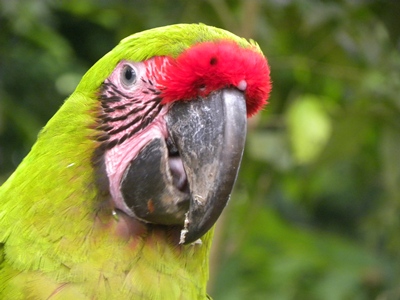
Great Green Macaws at Maquenque LodgeGreat Green Macaws are the largest parrots native to Costa Rica, along with Scarlet Macaws. “The Great Green Macaw is a stunning parrot with vibrant plumage,” notes Wildscreen Arkive.org. The head, back and upper wings are bright green in color with turquoise blue on the edges of the wings and tip of the tail. There is a scarlet red patch on the tail and across the forehead; the rest of the face is bare with distinctive lines of black feathers.
Great Green Macaws are only found in the Atlantic wet lowlands of Central America, from Honduras to northern Colombia, with a small isolated population in Ecuador. Loss of habitat and logging of mountain almond trees has largely caused their population to decline to only between 1,800 to 2,500 mature Great Green Macaws left in the world, according to Bird Life International.
Maquenque Eco-lodge bungalowsVisit Maquenque Eco-lodge now in November and December to see the Great Green Macaws. The Costa Rica eco-lodge is located next to the Maquenque National Wildlife Refuge on 68 acres of tropical rainforest with eight kilometers of trails. With more than 410 identified species of birds, Maquenque is one of the top bird-watching hotels in Costa Rica.
Article by Shannon Farley

miércoles, 5 de noviembre de 2014

Quick fall break for romance & adventure in Costa Rica

Romantic Maquenque Eco-Lodge Costa RicaLooking to get away for a quick fall break or Thanksgiving vacation? Maybe a romantic adventure holiday? If you are into nature and wildlife, Costa Rica is the place to go.
Valid through Dec. 19, 2014, the package includes two nights’ accommodation in a private bungalow with a balcony overlooking a beautiful lagoon and rainforest. You will receive a welcome drink upon arrival, breakfast both mornings, a romantic dinner with a bottle of wine on your first night, lunch and dinner on the second day, a rainforest walk, and canoeing on the lagoon. You also have the option to plant a tree in Maquenque’s reserve as part of their sustainable tourism and reforestation program. The whole package costs less than $200 per person with taxes included.
Great Green Macaw in Costa RicaThis time of year, Maquenque Eco-lodge is the place to be for bird-watching in Costa Rica. It is bird migration season from North America to tropical countries like Costa Rica. It is also the time when endangered Great Green Macaws (Ara ambiguus) return to Maquenque from Nicaragua’s Indio Maiz Biological Reserve to the north.
The Costa Rica eco-lodge is located on the San Carlos River by the Maquenque National Wildlife Refuge, 15 kilometers from the Nicaraguan border. Activities at Maquenque Eco-lodge include canoeing on the lagoon, hiking in the rainforest, horseback riding, float river rafting and boating. Eight kilometers of trails wind through the lodge’s 68-acre property, through the forest past ponds and streams.
Article by Shannon Farley

martes, 30 de septiembre de 2014

South for the winter: Costa Rica bird migration season begins

Neotropical bird migrants, image by Cornell University

This time of year, the crisp fall weather of the north sends birds packing south to warm tropical climates. Bird migration season in Costa Rica is here.
According to the Cornell University Lab of Ornithology, approximately 350 bird species from the United States and Canada migrate south to winter in the Neotropics of the Caribbean, Mexico, Central America and South America. These birds include raptors, vultures, waterfowl, shorebirds, and passerine species such as hummingbirds, thrushes, warblers, orioles, and tanagers.

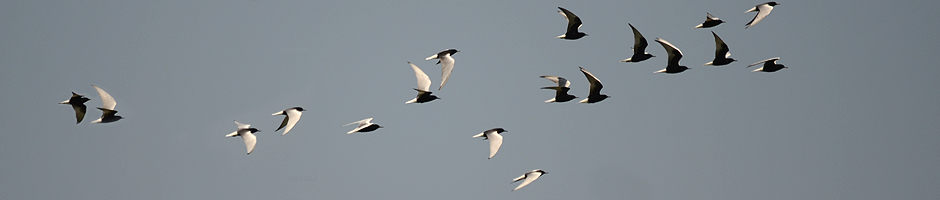
Migratory Birds - blue and white swallow
Avid Costa Rica birder and blogger, Pat O’Donnell, reports in his Costa Rica Living and Birding blog that a “river of raptors is flowing through the Caribbean lowlands, thousands of shorebirds are stopping off in the Gulf of Nicoya (and some are staying) … and there’s a lot of migration going on.”
The place to be for bird-watching in Costa Rica starting in October is Maquenque Eco-lodge in the Northern Plains. “We are already seeing the beginning of the migration of the birds,” said hotel manager Julio Cesar Artavia Munguia.

Maquenque Eco-lodge bungalowsMaquenque is one of the top Costa Rica bird watching hotel. The Costa Rica eco-lodge is located in Boca Tapada on the San Carlos River by the Maquenque National Wildlife Refuge, 15 kilometers from the Nicaraguan border and that country’s vast Indio Maiz Biological Reserve. Lodge information cites more than 410 identified species of birds, out of approximately 870 species of birds recognized in Costa Rica.

Artavia at Maquenque Eco-Lodge said October and November are usually big months to see migrating species. Some birds stay weeks to a month, while others only pass through the area in a day, he said. Notable birds Artavia has seen in years past include: raptors like peregrine falcons, black chested hawks, double-toothed kites and red-tailed kites; black swifts, white-collared swifts, blue and white swallows, barn swallows, bank swallows, mangrove swallows, and different tanagers, wrens, and warblers.

Ducks usually stay in Maquenque’s lagoon for a few weeks before moving on – ducks like the lesser scaup, least grebe, blue winged teal, Muscovy ducks, and big groups of black-bellied whistling ducks.

Great Green Macaw in Costa Rica
September and October are also when the endangered Great Green Macaws (Ara ambiguus) return to Maquenque from the Indio Maiz Biological Reservefor the almond fruits that are in season.
In addition to guided bird-watching tours at Maquenque Eco-lodge, you can canoe on the lagoon, hike in the rainforest, ride horses, go float river rafting and boating. Accommodations at the eco-lodge are simple and comfortable in 14 bungalows with balconies overlooking the lagoon. Eight kilometers of trails wind through the lodge’s 68-acre property.
Article by Shannon Farley
Migratory Birds - swallows flying

miércoles, 20 de agosto de 2014

Best rainy season day trip in northern Costa Rica: Caño Negro

Cano Negro everglades in Costa Rica 

Rainy season in Costa Rica
is the best time to visit the Caño Negro Wildlife Refuge. Known as the “everglades of Costa Rica”, its 25,100 acres have been designated a “world protected area” by conservation groups like the Ramsar Convention, for being home to some of the world’s rarest plant, animal and bird species.
Cano Negro Refuge in Costa RicaLocated near Costa Rica’s northern border with Nicaragua, by the small town of Los Chiles, Caño Negro Wildlife Refuge is one of the best places for bird-watching in Costa Rica. The best time to visit Caño Negro is now in rainy season, when the calm Rio Frio (Cold River) spills out over the grassy marshland creating a massive lake and intricate network of waterways.
The only way to explore these fascinating wetlands is by boat. You can go wildlife and bird-watching, or fishing, on guided tours in motorized covered boats. Early mornings or late afternoons are the best times for viewing wildlife.

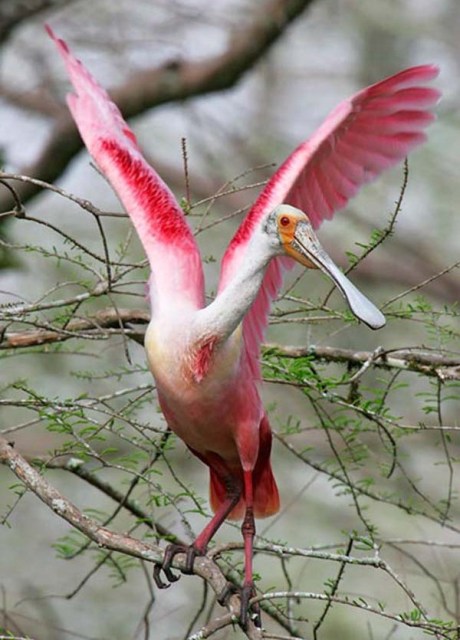
Roseate SpoonbillMore than 350 species of birds live in the Caño Negro tropical everglade, and record numbers of migratory waterfowl visit during migration season. You can see beautiful and interesting birds such as anhingas, roseate spoonbills, Jabiru storks, ducks, kingfishers, herons, egrets, Northern Jacanas, ibises and cormorants. The Frio River is full of fish like snook, silver-gold tarpon, the rare garfish, and also caimans. Along the shoreline and in the trees you may see other animals like emerald basilisks, White-faced Capuchin monkeys, howler monkeys, two and three toed sloths, iguanas, river turtles, anteaters and bats.

When visiting the Arenal Volcano and Northern Plains of Costa Rica, unique Caño Negro is one of the most amazing and worthwhile Costa Rica day trips. It is a good day trip also to do from Maquenque Eco-Lodge – or on your way from Arenal to Maquenque.

Top Costa Rica bird-watching hotel, Maquenque Eco-Lodge, records more than 410 bird species in its area by the San Carlos River and Maquenque National Wildlife Refuge. The Costa Rica eco-lodge offers guided bird-watching tours, and river canoeing, rafting and boating trips.

Article by Shannon Farley

jueves, 22 de mayo de 2014

Bird-watching in Costa Rica’s Northern Plains

Scarlet Macaw in Costa RicaIf you think bird-watching is, well, “for the birds”, then you haven’t traveled to Costa Rica. The first time you see a brilliant flash of scarlet, yellow and blue fly past – a Scarlet Macaw, or the bright yellow and black with the multicolored beak of a toucan, or the iridescent flitting jewel of a hummingbird, you’ll be hooked.

Soon, you’ll be asking, “Hey, what kind of bird is that?” You’ll remember names and start noticing movement in trees and bushes. You’ll find yourself taking photos of vividly colored birds throughout your trip. And when you recount the wildlife you’ve seen in Costa Rica, birds will be in the list.

Costa Rica has long been a famous destination for serious bird watchers. With approximately 870 species of birds registered in Costa Rica – more than the total in all of North America, packed into an area about the size of West Virginia or Switzerland – it’s easy to get enthused about the eye-catching feathered creatures you see while on a Costa Rica vacation.

Sunbittern at Maquenque LodgeCosta Rica enjoys extraordinary bird life due to its geographic position as a land bridge between North and South America, and the country's many habitats: rainforests, cloud forest, mangrove swamps, beaches, rivers, lakes, wetlands, etc.

The lowland tropical rainforest and wetlands of the Northern Plains of Costa Rica are one of the more prolific sites for bird-watching in the country. Last year’s annual Christmas Bird Count in Costa Rica finished in the region at Maquenque Eco-lodge.

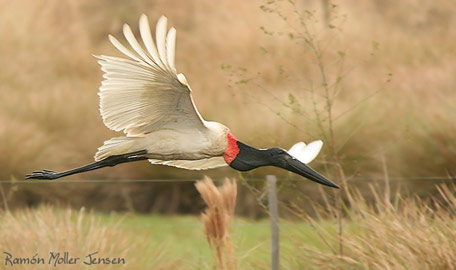
Jabiru at Maquenque LodgeMaquenque is one of the top bird-watching hotels in Costa Rica. The Costa Rica eco-lodge is located in Boca Tapada on the San Carlos River by the Maquenque National Wildlife Refuge. Lodge information cites more than 410 identified species of birds in the area, including endangered Great Green Macaws (Ara ambiguus) and Scarlet Macaws (Ara macao). Other species that can be found in the rainforest and wetlands by Maquenque are: toucans, Oropendolas, Honeycreepers, Tanagers, Chestnut-bellied Herons, Muscovy Ducks, Great Curassows, Jabirus, Roseate Spoonbills, Green Ibis, and Sunbitterns.

Birders from North America who visit Costa Rica during the northern winter months usually recognize familiar faces in the forest, since many species migrate to Costa Rica every winter.

Maquenque Eco-Lodge Costa RicaMaquenque Eco-Lodge offers fun and informative guided bird-watching tours with their naturalist guide. Accommodations at the eco-lodge are simple and comfortable in 14 bungalows, each having private bathrooms with hot water, and balconies overlooking a beautiful lagoon. Eight kilometers of trails wind through the Costa Rica rainforest lodge’s 68-acre property.

Travel Tip: Download the Costa Rica Birds Field Guide on iTunes.

Article by Shannon Farley

martes, 22 de abril de 2014

Hidden Costa Rica Eco Lodge is treasure of rainforest & wildlife

Scarlet Macaw at MaquenqueOne of the things that continue to amaze me about Costa Rica is how many different places there are to go and hidden treasures to find. Just when you think you know most of the best places to visit in Costa Rica, some unknown region pops up, luring you with new adventures, beautiful scenery, fascinating nature and incredible wildlife.

Maquenque Eco Lodge in northern Costa Rica is one of those hidden treasures. The five-year-old Costa Rica Eco Lodge is located in Boca Tapada. Heard of it? Neither had I.

Boat trip on San Carlos River at Maquenque LodgeThe region is in the hinterlands of northern Costa Rica, only 15 kilometers from the Nicaraguan border and that country’s vast Indio Maiz Biological Reserve. Just to the east is the Barra Colorado National Wildlife Refuge on Costa Rica’s Caribbean Coast. A bit farther to the northwest is the Cano Negro Wildlife Refuge. The San Carlos River runs right by the Costa Rica eco-lodge. In fact, to arrive at Maquenque, you have to cross the river on the lodge’s private ferry, leaving your vehicle parked in a secure area at the river’s edge.

It is a very remote, wild area of lowland tropical rainforest and wetlands. The recently formed Maquenque National Wildlife Refuge (2005) protects 150,000 acres (60,702 hectares) of virgin forest and pastureland in the process of being reforested.

If you love wild nature, Maquenque Eco-Lodge is the place to go. The Costa Rica rainforest lodge has simple, comfortable accommodations in 14 bungalows, each equipped with solar-heated hot water, private bathrooms, and balconies overlooking a beautiful lagoon. Dining is in the lodge’s restaurant. Eight kilometers of trails wind through their 68-acre property, leading you through the forest past ponds and streams and along the river.

Great Green MacawMaquenque is a place for bird-watching. Lodge information cites more than 410 identified species of birds in the area, including endangered Great Green Macaws (Ara ambiguus) and Scarlet Macaws (Ara macao). With only a few thousand Great Green Macaws left in the world, it is an exceptional treat to see these spectacular green and turquoise parrots with their distinctive fiery red band across their foreheads.

Canoeing on the lagoon at Maquenque LodgeBesides bird-watching, you can canoe on the lagoon, hike in the rainforest, ride horses, go boating on the San Carlos River, and float river rafting on the Tres Amigos River. The climate is very rainy, so be prepared.

Maquenque Eco-Lodge supports sustainable tourism and reforestation. Every guest who stays has the chance to plant a tree in the reserve and visit the local school to see their environmental education program in action.

Article by Shannon Farley